The source comparison establishes no correction to the retained master for LP2 pages 0–2. The reviewed reading agrees with its 729 runes and 158 lexical words. The opening section still has four exact neighboring repeats, against 24.812 expected when uniformly shuffling those same rune counts, and five singleton words using five different symbols.
The first pass was rough: it differed from the master by 136 minimum edit operations, mostly symbol-label confusions. The corrected reading was checked against the images with the master visible. Its agreement must therefore not be presented as an independent confirmation. Both versions, the uncertainty notes and the corrections are retained. No new plaintext is found.
What was frozen, and when
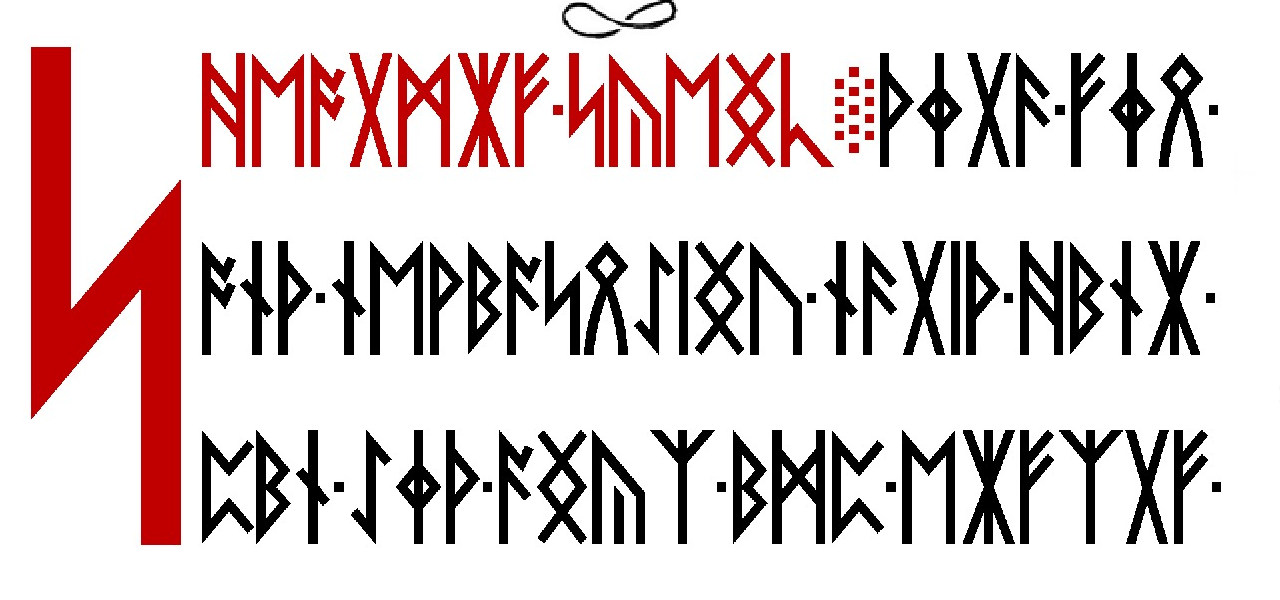
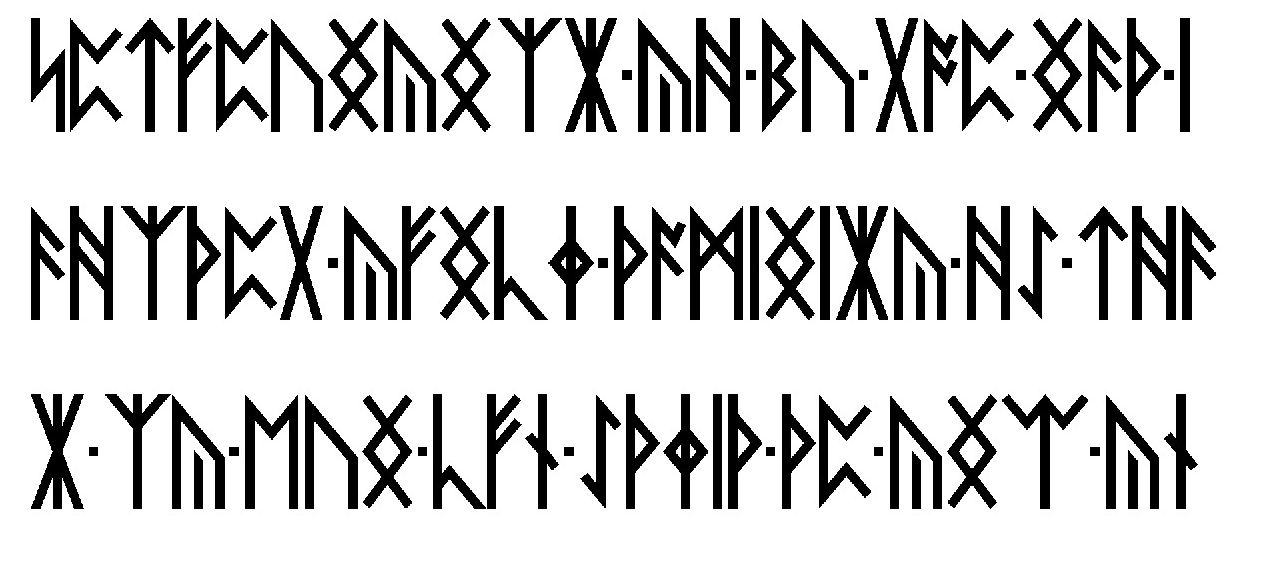
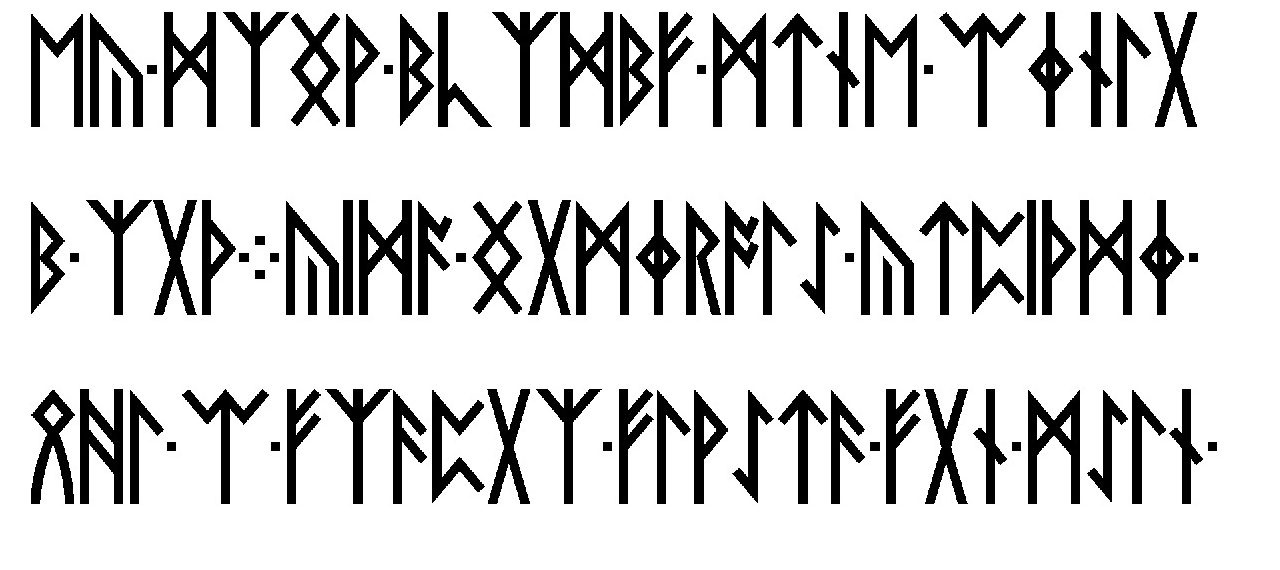
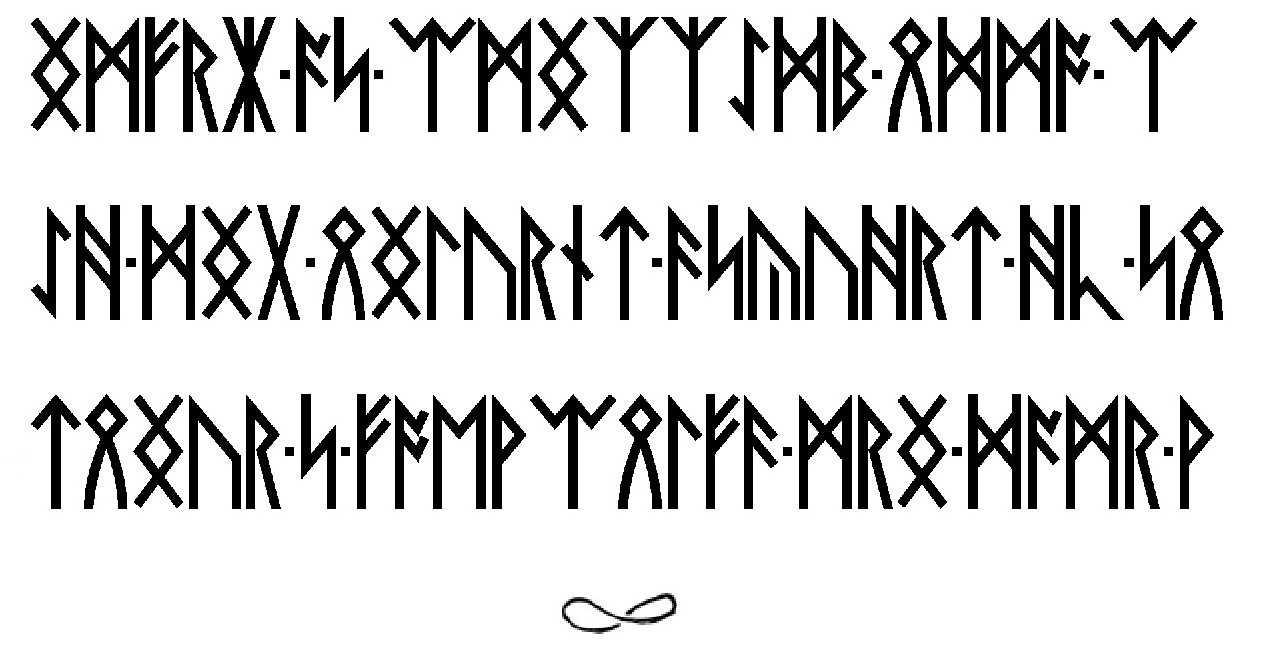
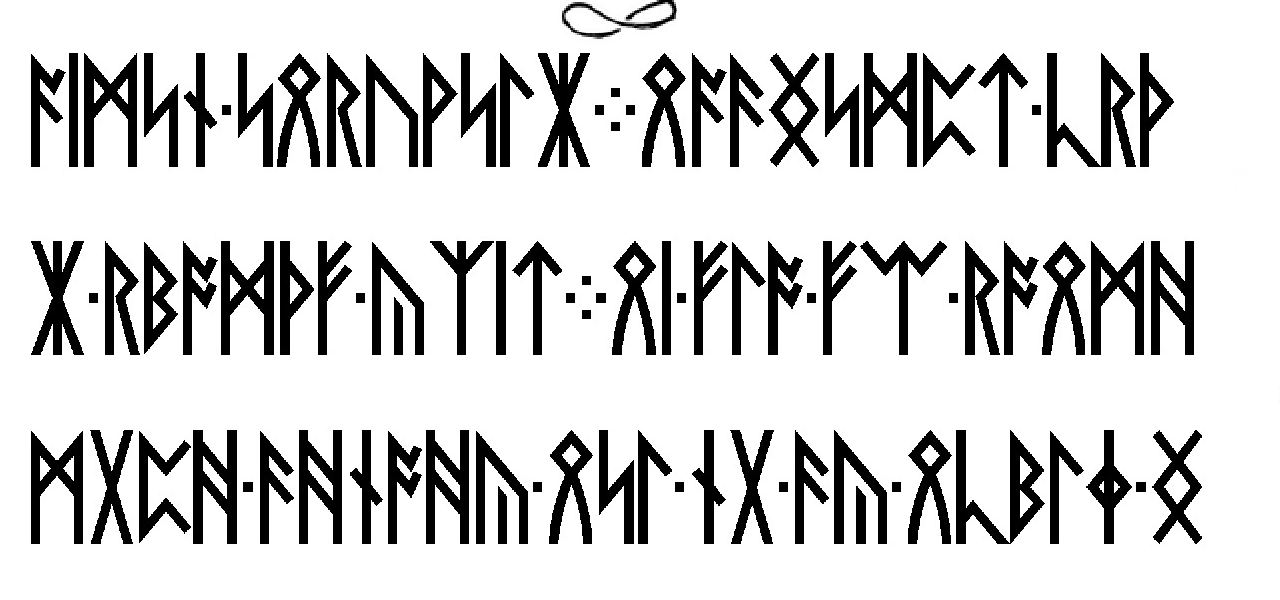
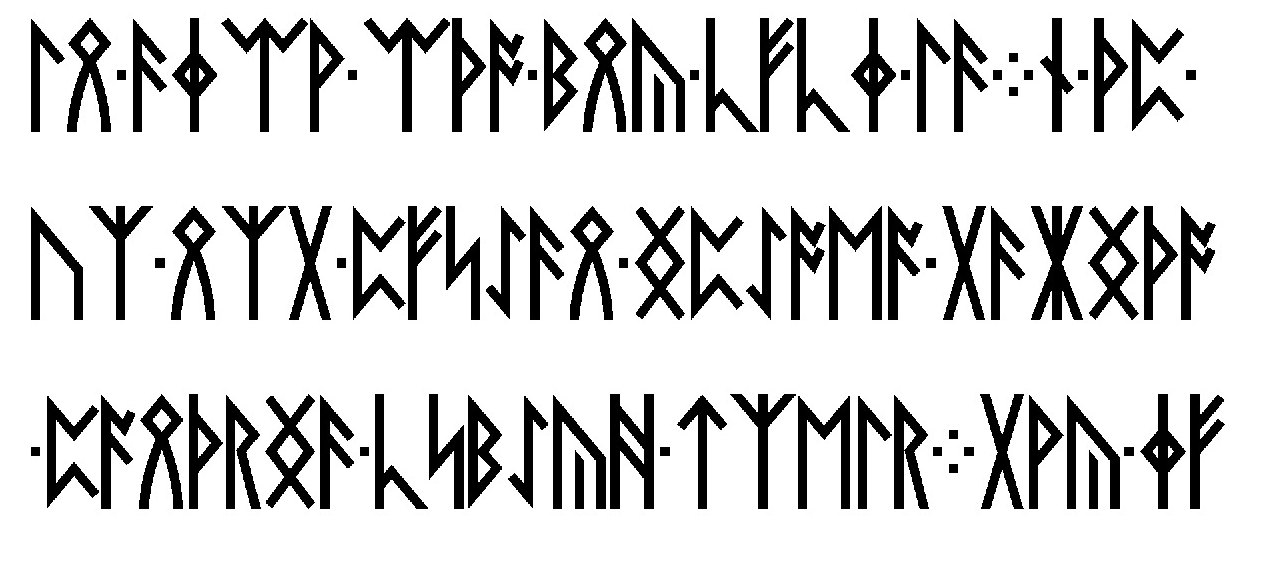
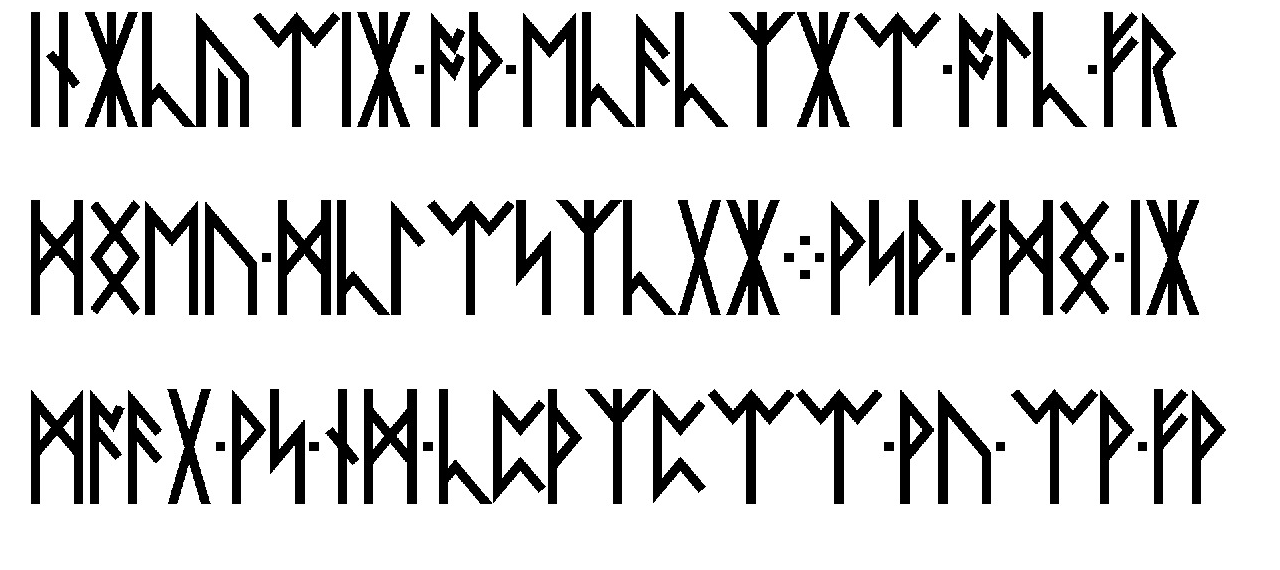
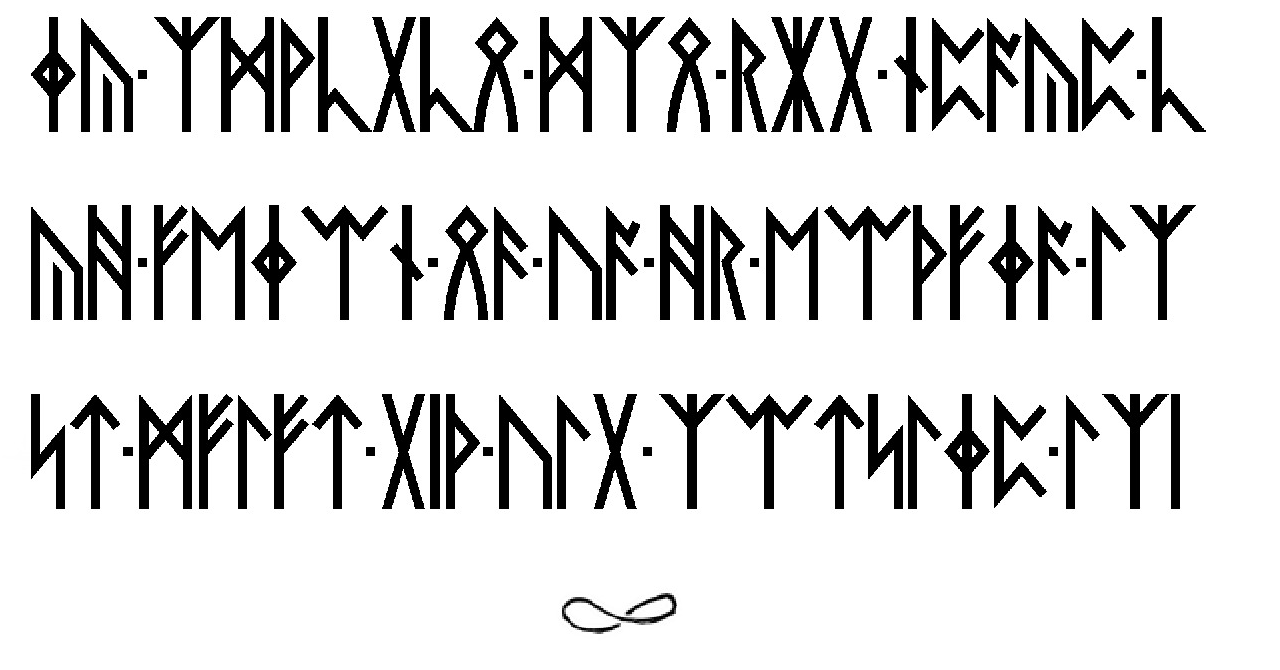
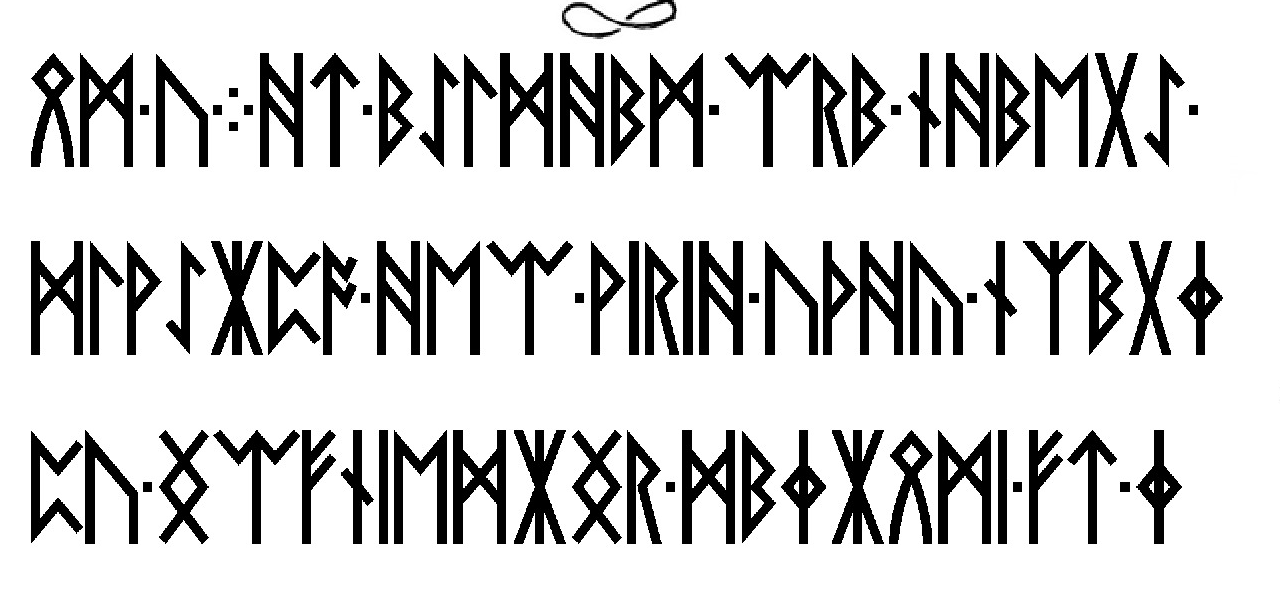
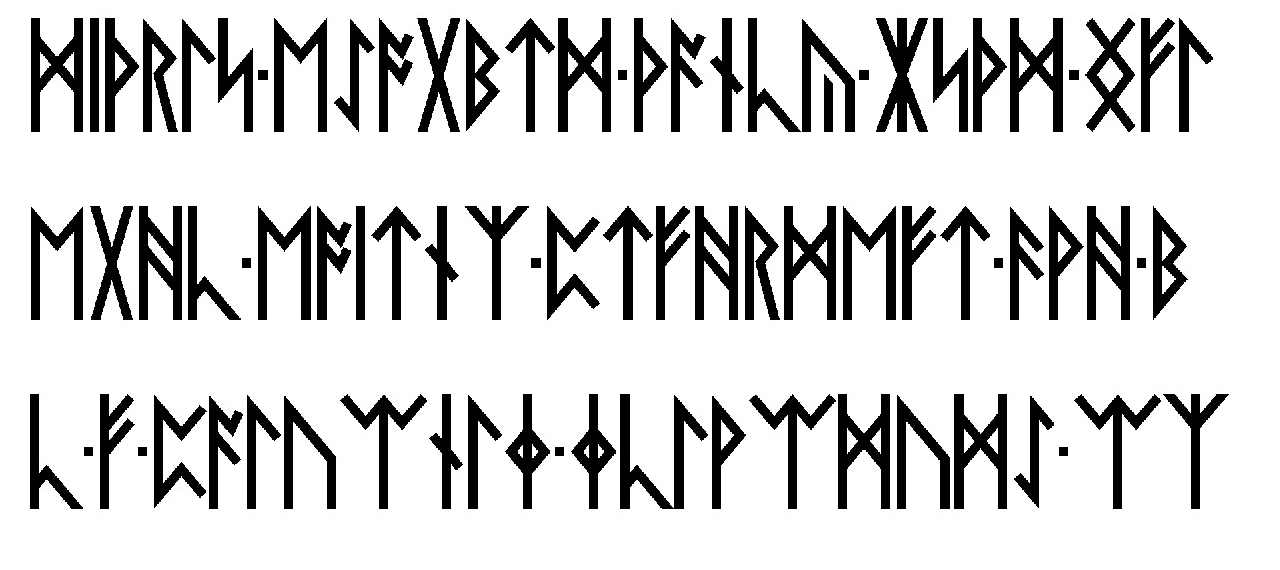
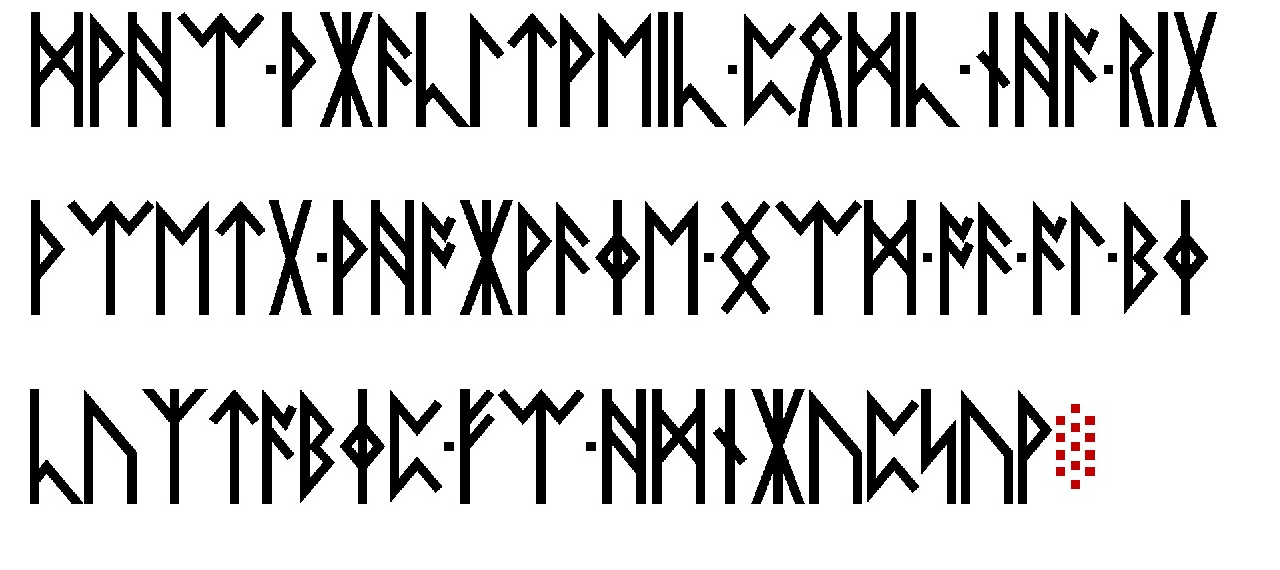
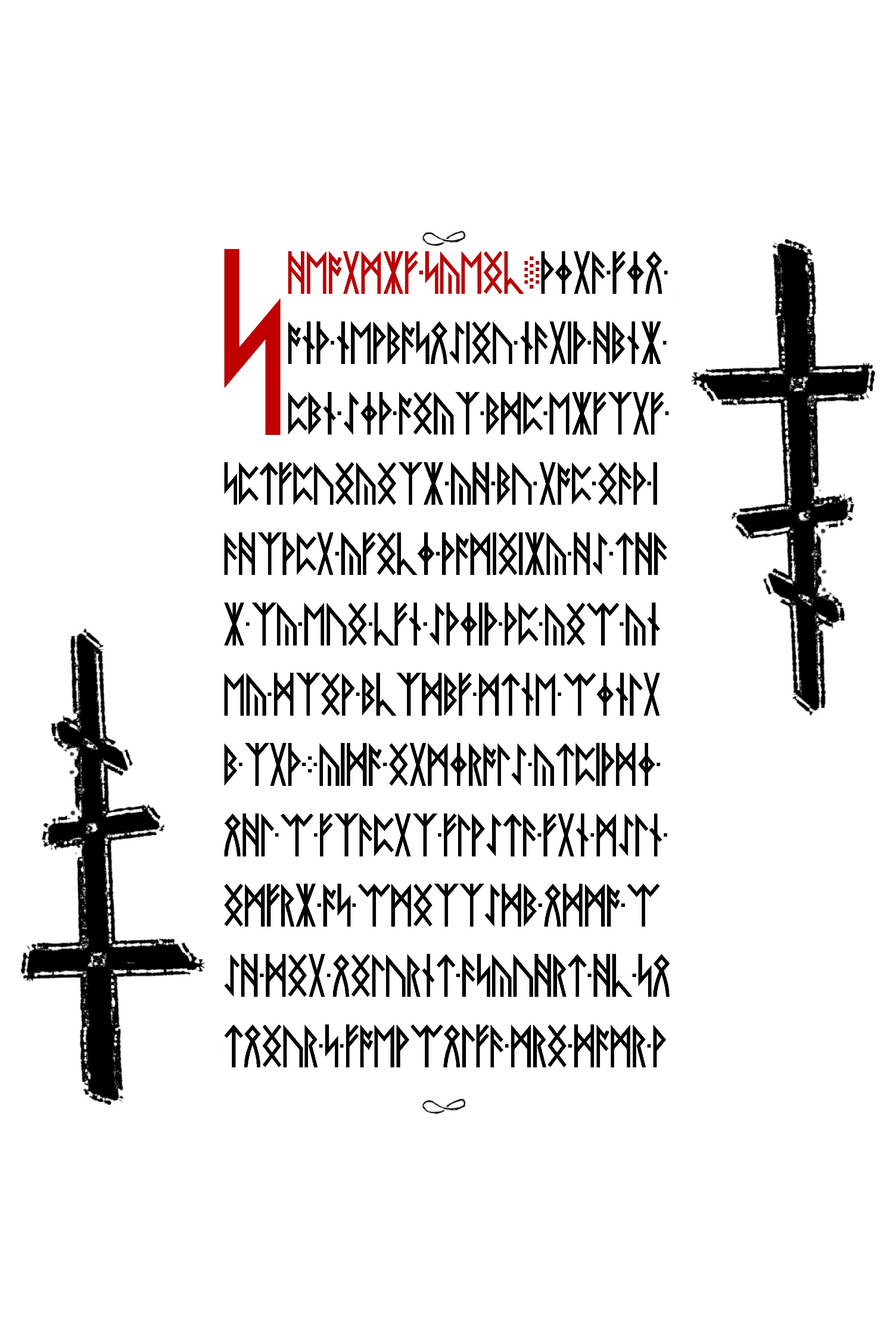
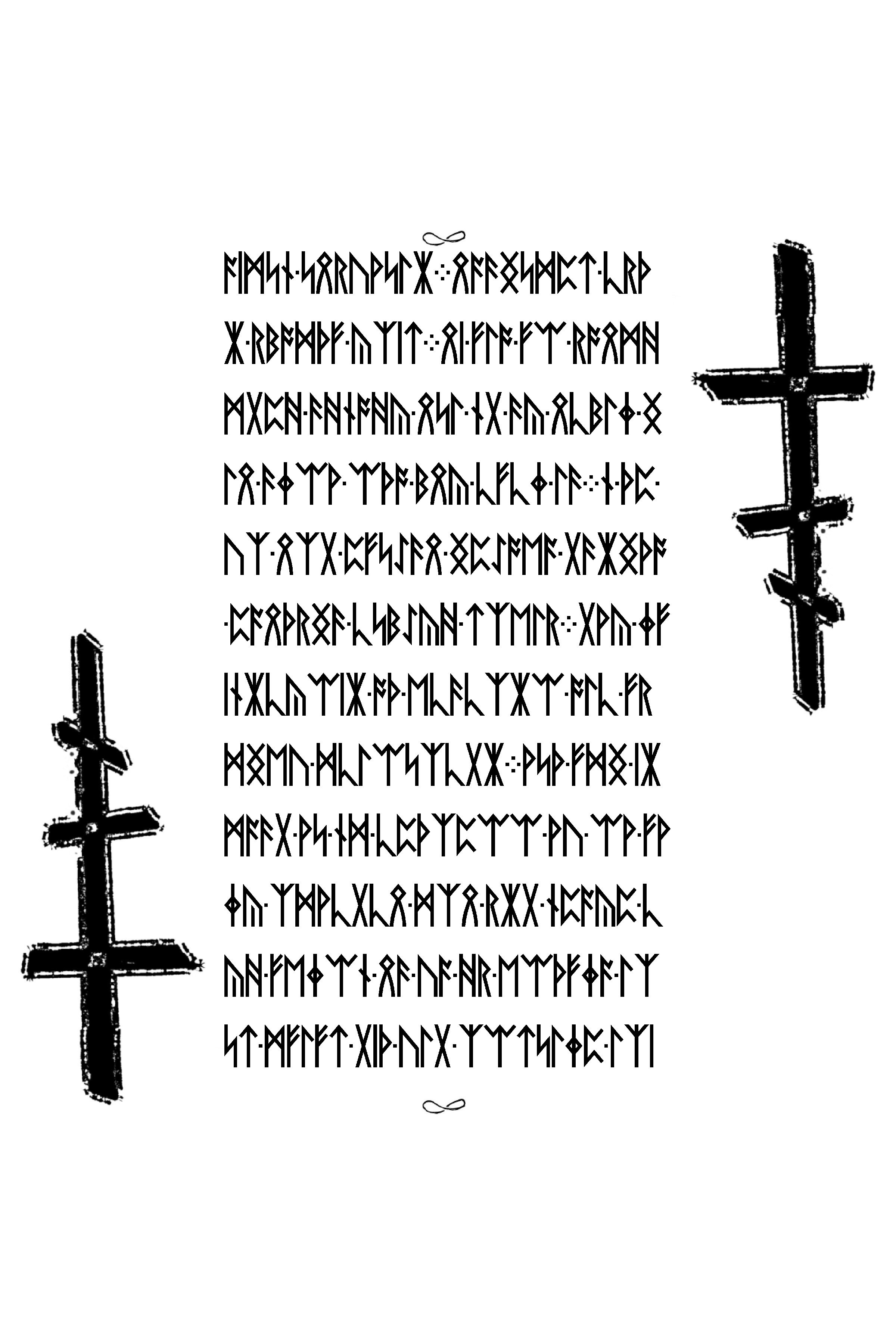
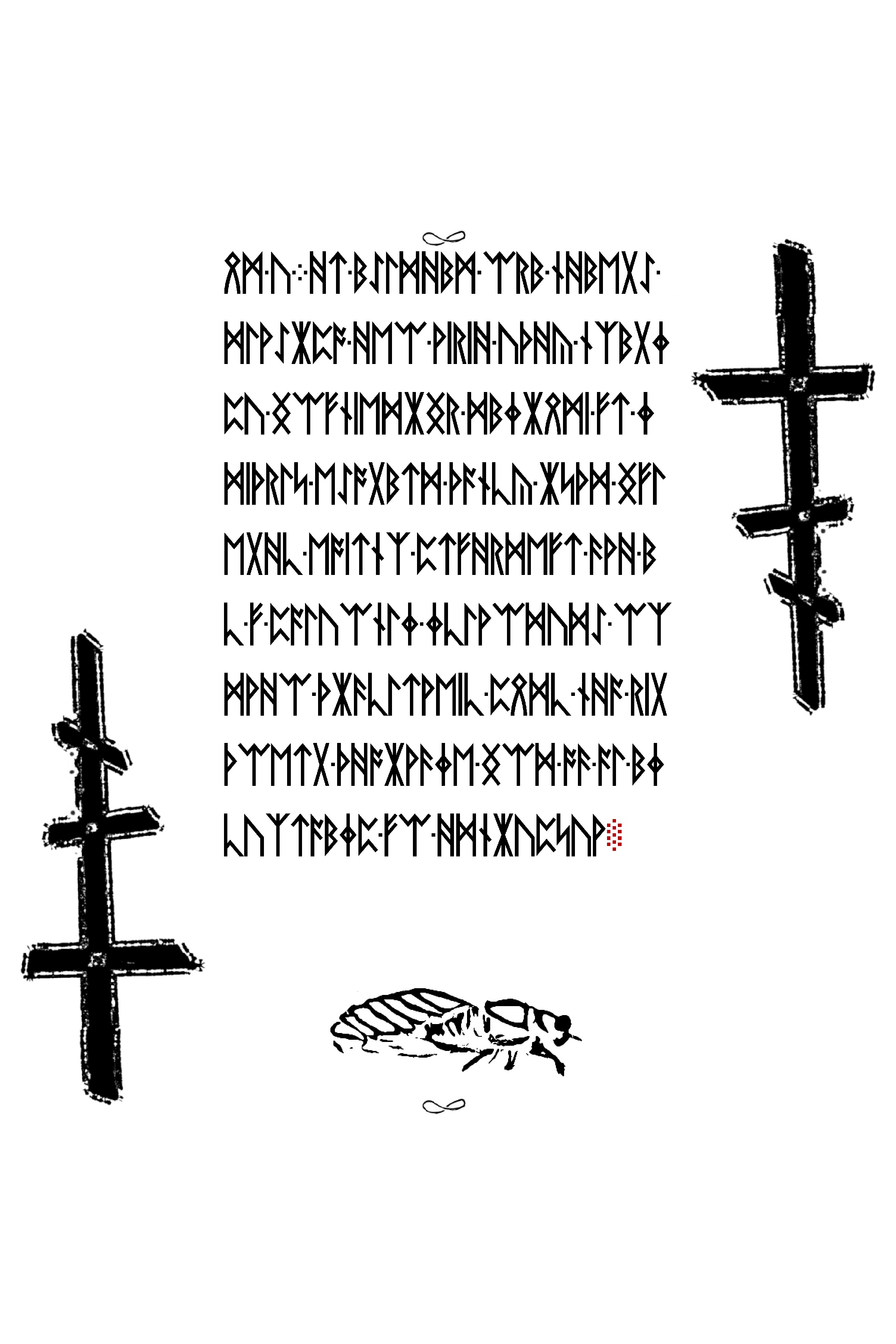
Session 72 proposed a complete image-first reading of the opening section after the general singleton-marker test produced no positive lead. The three original images are archive 17.jpg, 18.jpg and 19.jpg, corresponding to zero-based LP2 pages 0, 1 and 2.
The plan was saved before transcribing the new crops or loading the target master page strings. Page 0 had already been viewed in overview. Prior work had exposed the expected page lengths, some singleton locations and the total section length. The retained Gematria chart and a solved page were consulted while calibrating the font labels.
All three initial readings, source hashes, crop boxes and uncertainty notes were hashed and frozen before comparison. This ordering separates the saved first pass from subsequent corrections. It does not make the reader blind: the same assistant had investigated these pages before, and the expected totals were known.
The ASCII labels in the reading files name ciphertext rune types. They are not decoded text. Bracketed tokens such as [b1], [b4] and [r13] record the observed number and color of punctuation squares. Each file line represents a printed text line. The enlarged red initial on page 0 is counted once at the start, although it spans three rows visually.
The first pass had substantial reading errors
| LP2 page | Initial rune count | Reviewed/master count | Minimum edit distance |
|---|---|---|---|
| 0 | 261 | 262 | 52 |
| 1 | 268 | 266 | 45 |
| 2 | 207 | 201 | 39 |
| Total | 736 | 729 | 136 |
The fixed, unit-cost alignment uses 121 substitutions, four insertions into the initial reading and eleven deletions from it. Minimum-edit alignment can have ties, so these are reproducible alignment counts rather than a uniquely determined history of every mistake.
Frequent substitutions include M→D, A→AE, TH↔W, IO→G and O→A. The freeze had explicitly flagged 48 provisional M readings as potentially D. Other mistakes came from mislabeling stylized forms or counting a part of a glyph as a separate rune. The initial reading also omitted one visible black single-dot separator on page 0, line 6, at reviewed rune gap 124, between the groups TH P and Y ING EA. The master already contains that separator.
After inspecting the source strips again with the comparison visible, the reviewed files retain the master rune stream. These are corrections to this session's reading, not discoveries of 136 errors in the book or its transcription. The first pass is too inaccurate to serve as a reliable independent transcription. Keeping it visible is part of the audit's limitation, not a reason to promote the guided result into stronger evidence.
Constraints before and after review
The calculation includes neighboring runes across word separators, printed line wraps and the two page seams. It does not reset at punctuation.
| Measurement | Frozen first pass | Reviewed reading/master |
|---|---|---|
| Runes | 736 | 729 |
| Eligible neighboring pairs | 735 | 728 |
| Exact neighboring repeats | 8 | 4 |
| Mean repeats with the same inventory shuffled | 28.095 | 24.812 |
| Lexical words | 157 | 158 |
| Singleton words | 5 | 5 |
| Distinct singleton symbols | 5 | 5 |
For a sequence with N runes and counts c_r, the exact shuffled mean is:
sum_r c_r * (c_r - 1) / N
This is an inventory-conditioned mean, not an English language model, a new significance test or proof of an intentional repeat-avoidance mechanism. The first-pass mistakes changed the numerical details, but the shortage of exact repeats appears in both versions. The reviewed figures reproduce the existing master; they are not a new community discovery.
The four reviewed repeats are:
| LP2 page | First rune's zero-based offset | Printed line | Repeated ciphertext label |
|---|---|---|---|
| 0 | 121 | 6 | TH |
| 0 | 206 | 10 | X |
| 1 | 193 | 9 | EA |
| 2 | 124 | 6 | J |
Neither page seam is a repeat. Those seams are W→A and I→OE. The five singleton locations remain EA at page 0 offset 176, S at page 0 offset 244, N at page 1 offset 88, U at page 2 offset 2, and F at page 2 offset 116. These agree with the earlier singleton inventory and source observations.
Five distinct ciphertext types in one section still challenge a single fixed bijective substitution if all five groups must become ordinary English A/I words. The audit establishes neither that language assumption nor a key shared throughout the section. It does not revive the structural-marker hypothesis or identify an ancient script, literary source or cipher family.
Page seams and punctuation
Two words cross page boundaries without an intervening word separator:
| Seam | Complete group in ciphertext labels | Runes |
|---|---|---|
| Page 0→1 | W A I M S N | 6 |
| Page 1→2 | L X I OE M | 5 |
These are symbol labels, not plaintext words. Splitting at pages would create artificial lexical units. The parser keeps both groups joined and retains printed line wraps without turning them into word boundaries.
The reviewed punctuation ledger contains 158 groups: 148 black single-dot marks, seven black four-dot marks, one red single-dot mark and two red thirteen-dot marks. Each is indexed by page, printed line and rune gap. Their locations agree with the corresponding master word/stop labels under the stated notation.
This is a manual shape reading, not an automated square-count survey. The final red mark and heading mark are both retained as thirteen squares, with color explicit. Their shapes alone do not establish reset, advance, heading or section semantics. Rune gaps and physical dot counts remain separate from such interpretations.
Verification and evidence
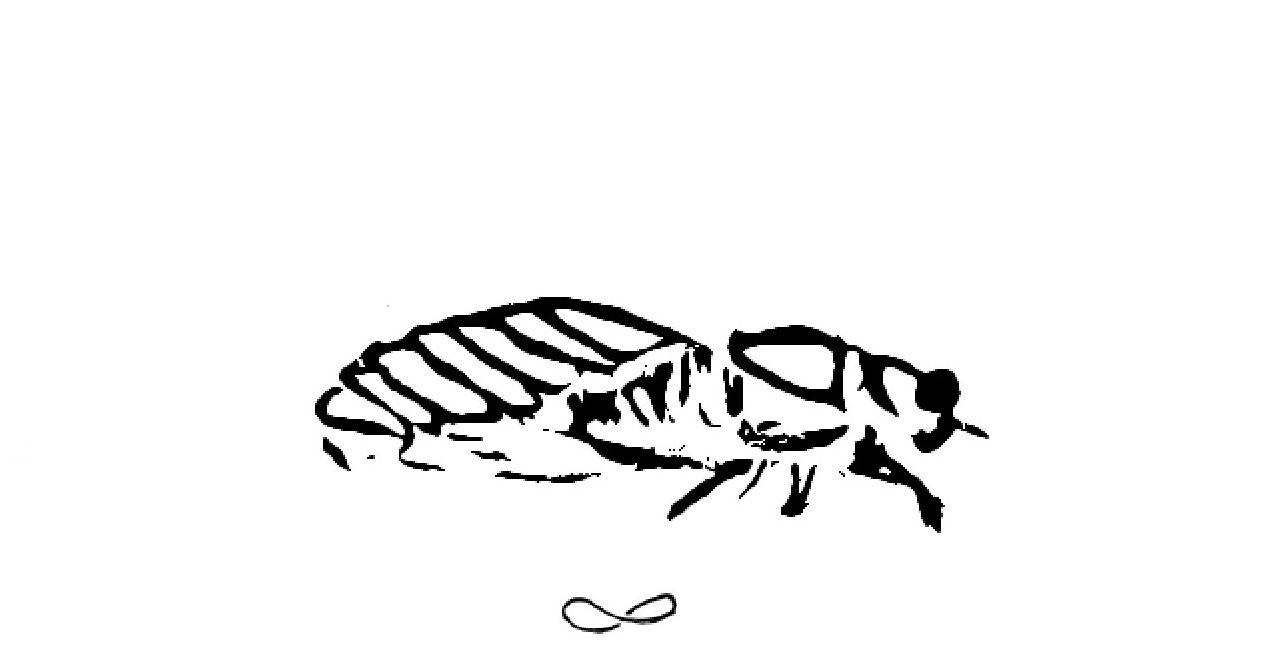
All original JPEG hashes match the retained source manifest. The script verifies that the 12 saved crops contain exactly the decoded original pixels in their recorded boxes, without resizing or enhancement. The last crop of page 2 shows the illustration below the text; all nine text rows are covered by its first three crops.
Known fixtures detect a planted single substitution, insertion and deletion; an unchanged sequence gives distance zero. Parser fixtures preserve punctuation color and counts and join a word across a page seam. Reviewed rune streams, repetition positions, word counts and singleton locations match the master calculation exactly. This checks the implementation and arithmetic, not independence of the visual review.
Run beside the retained files with Python, NumPy and Pillow:
python3 -B opening_section_audit.py
- Protocol and frozen first-pass hashes and uncertainty notes
- Initial readings: page 0, page 1, page 2
- Reviewed readings: page 0, page 1, page 2
- Initial alignment record
- Reproduction script and full results, edit decisions, punctuation ledger and controls
- Exact source crop boxes
- Page 0 strips: 1, 2, 3, 4
- Page 1 strips: 1, 2, 3, 4
- Page 2 strips: 1, 2, 3, 4
- Original pages: 17.jpg, 18.jpg, 19.jpg; pinned manifest
- Unchanged master, lexical helper, rune loader
Master SHA-256: b0b2e13c3cd35512ee5955a2d9a56c22d7410e283d35dd9c90abbaa7b99279eb. Earlier reports, images and results remain unchanged.
Decision
Retain the opening section as a bounded source-comparison fixture: 729 runes, four repeats, five singleton types and two seam-spanning words. No source correction or new decoding is established.
Do not expand same-reader first-pass audits and call them independent evidence. A useful next source-quality test would freeze a glyph-matching method calibrated on solved-page images, validate its labels on different solved pages, and only then compare its opening-section output with the master. Preserve abstentions and failures. That would test recognition more rigorously; it still would not supply a cipher key.