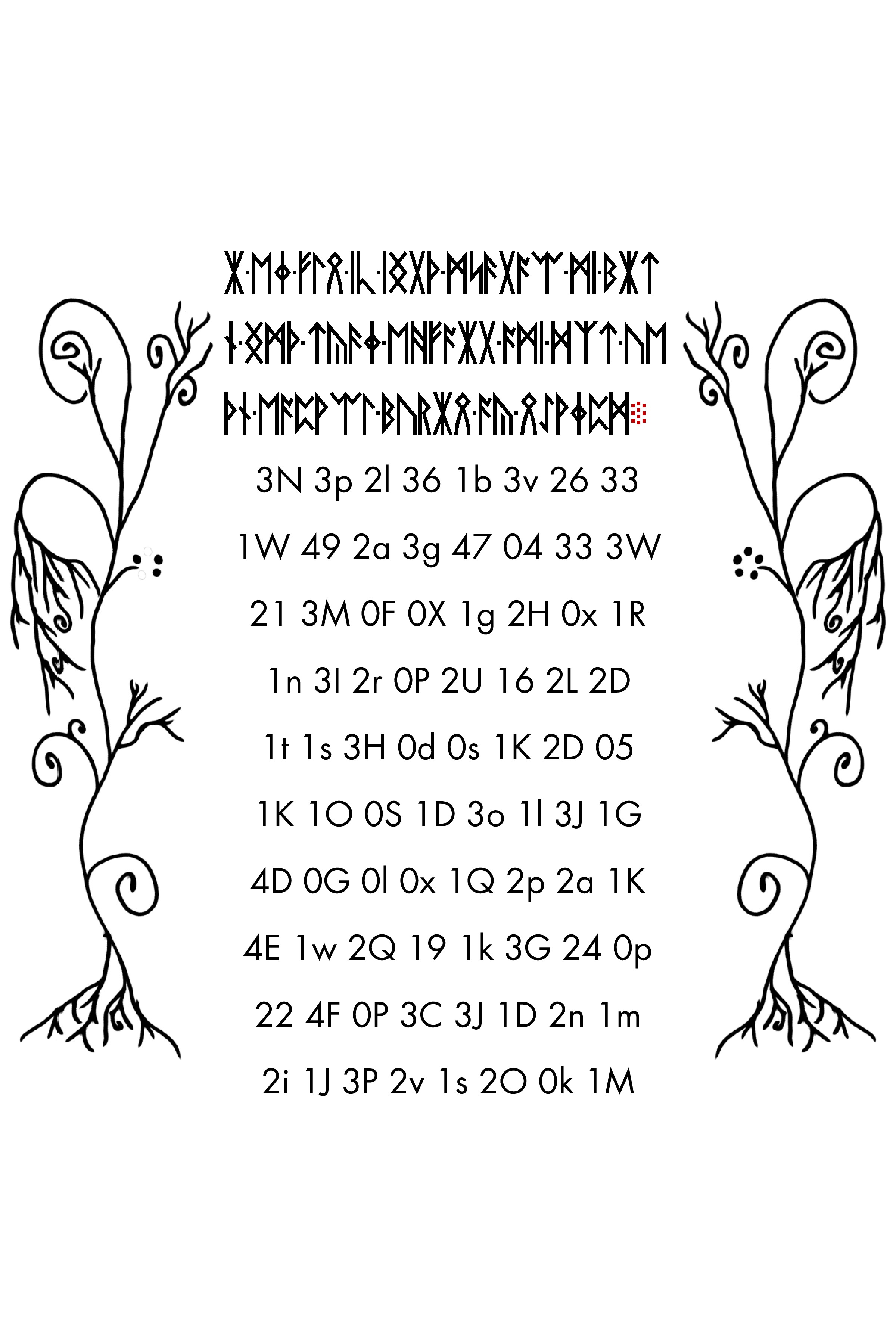
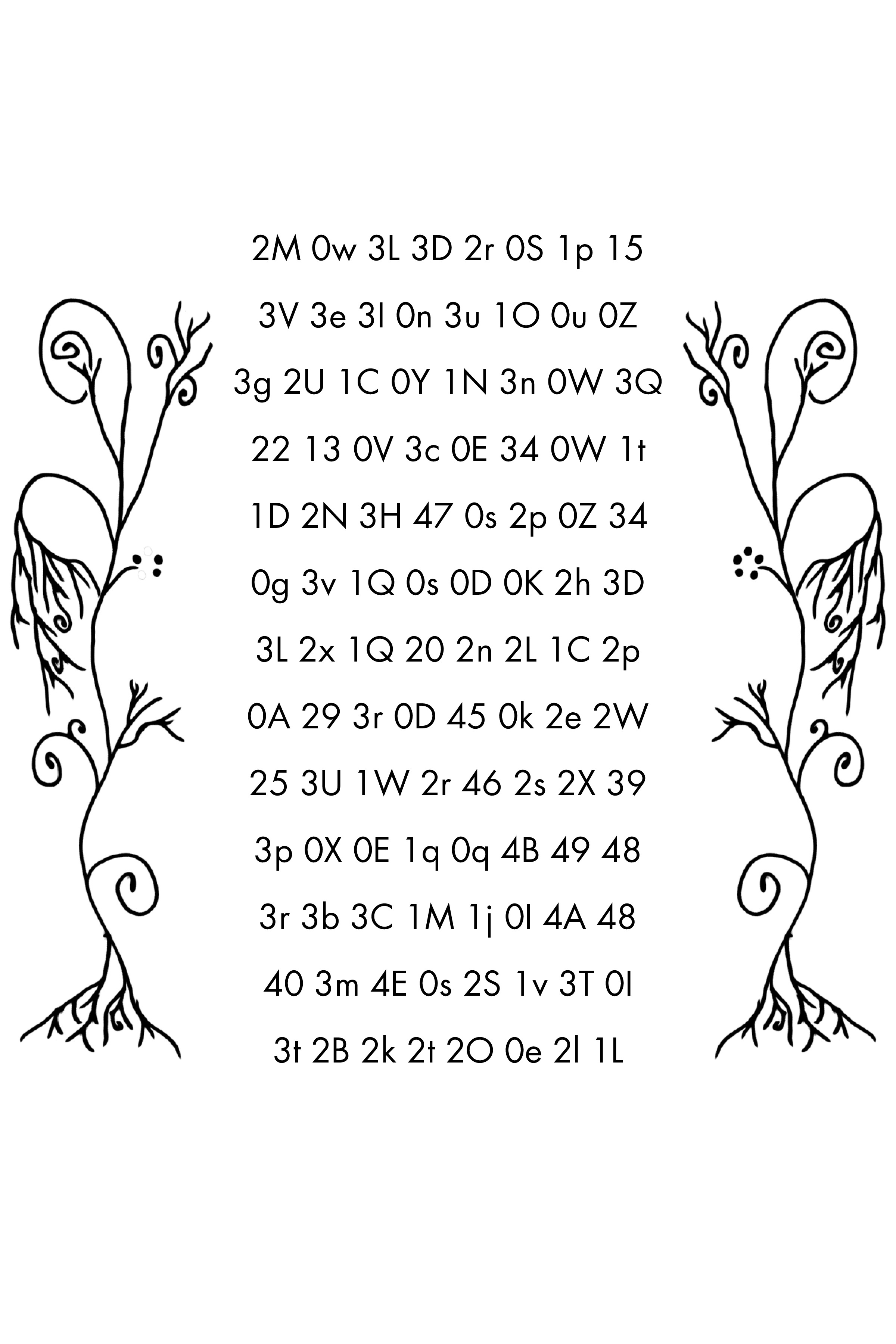
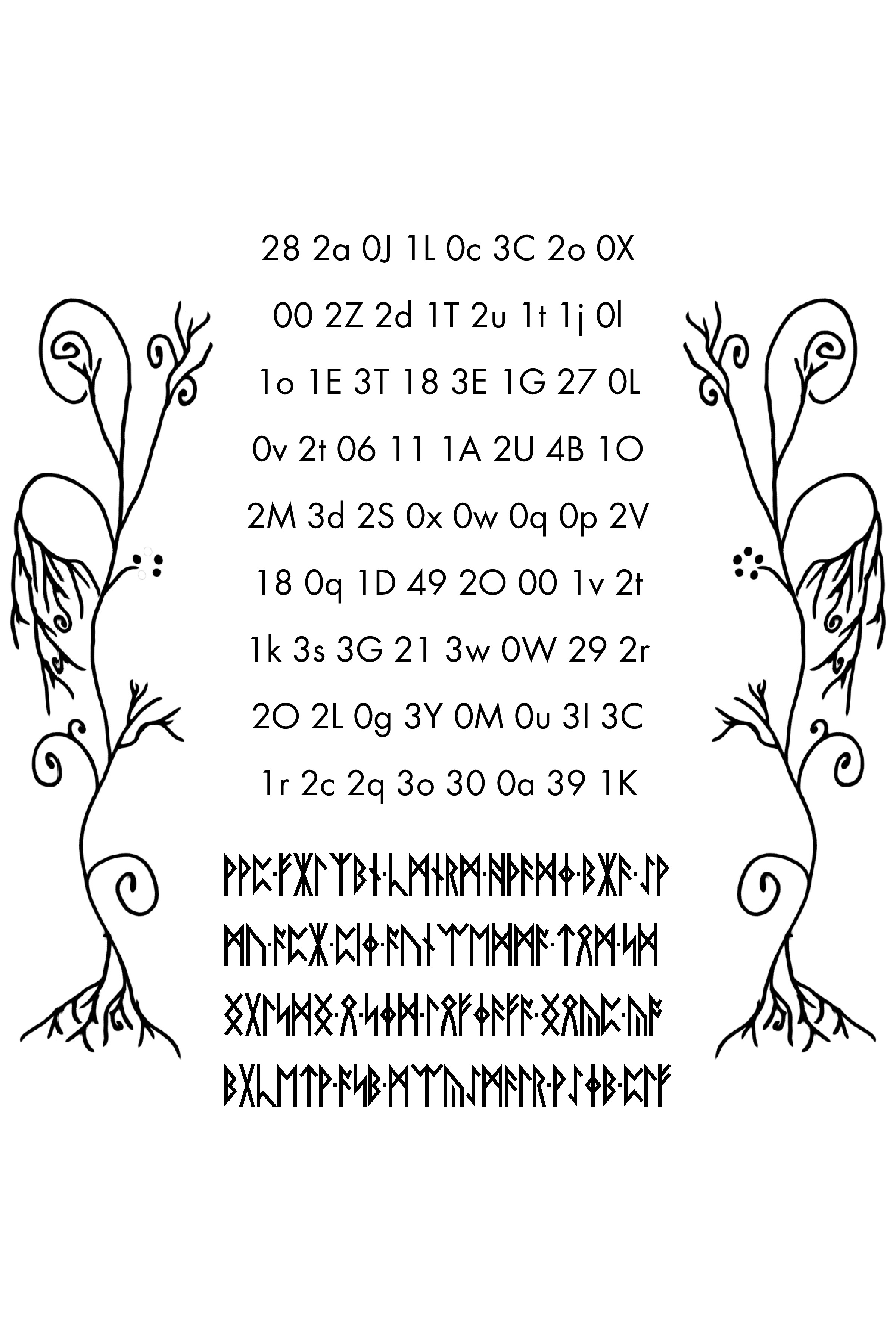
Using five printed digits from page 49, we found all 176 leading digits on pages 50 and 51 in their correct rows. Across all 58 full LP2 images the search flagged 40 lines: the 32 grid rows, four lines on the decimal table and four on the digest. There were no other candidate rows.
The filter asks only a necessary question for a row of eight grid cells: can it see eight or more shapes resembling the leading digits 0–4 at the same height? It does not count cells, read runes, demand a particular horizontal spacing, or decide that these digits really begin pairs. It searches every connected dark shape in the full image, without looking up the original locations of the test rows. A candidate can be any width. The five shapes and thresholds are fixed for the whole pass; archive boxes and labels score the detections after the search.
| Original pages | Rows flagged | Check on the detections |
|---|---|---|
| 49, exemplar page | 10 of 10 grid rows | 80 of 80 known first digits located and labeled |
| 50 and 51, not used for exemplars | 22 of 22 grid rows | 176 of 176 known first digits located and labeled |
| 15, decimal table | 4 of 4 lines | All 39 digits in the range 0–4, in the order printed |
| 56, continuous digest | 4 of 5 lines | All 44 digits in the range 0–4, in the order printed |
| Other 53 pages | 0 | Isolated labels 1–4 on pages 36–37 still matched |
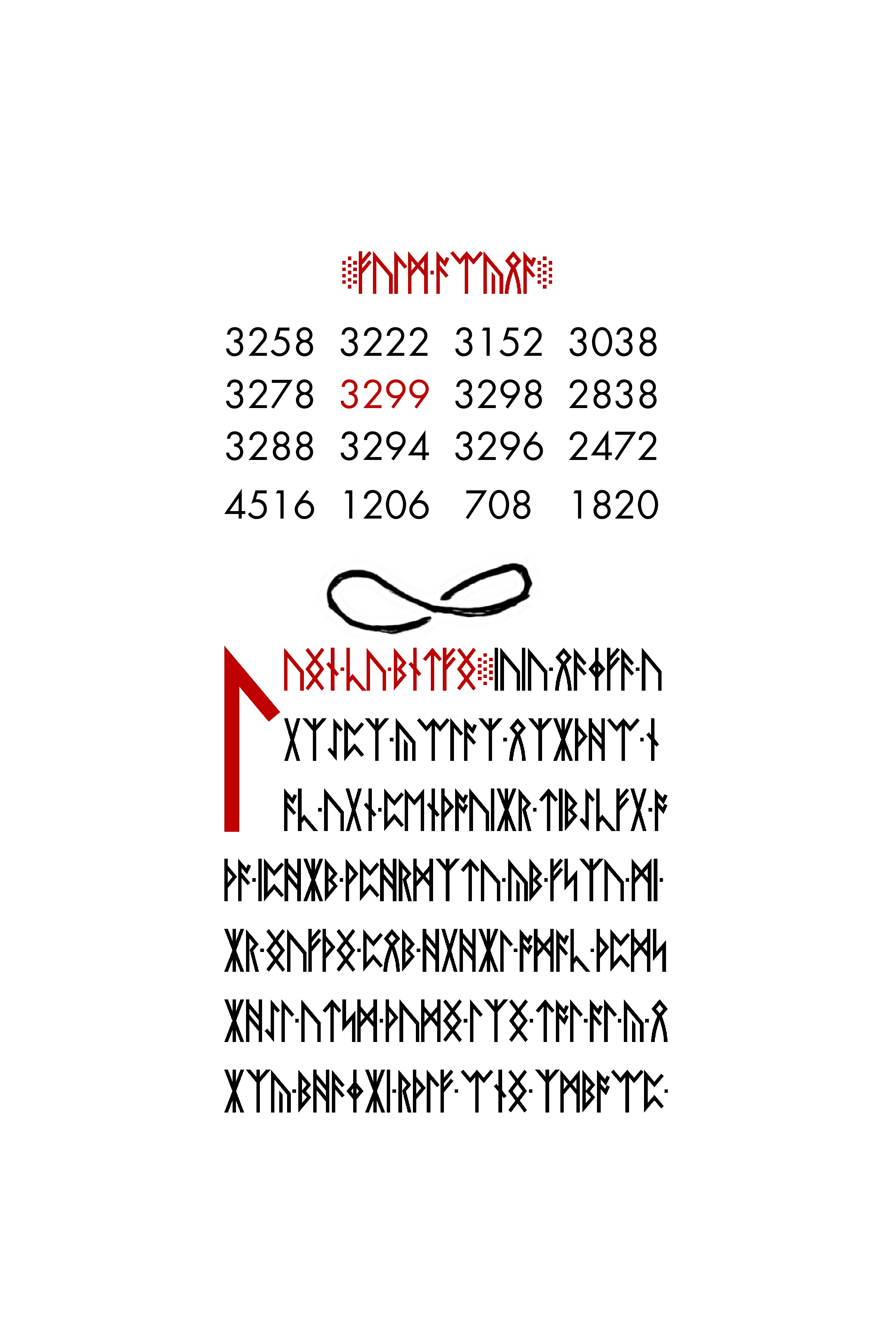
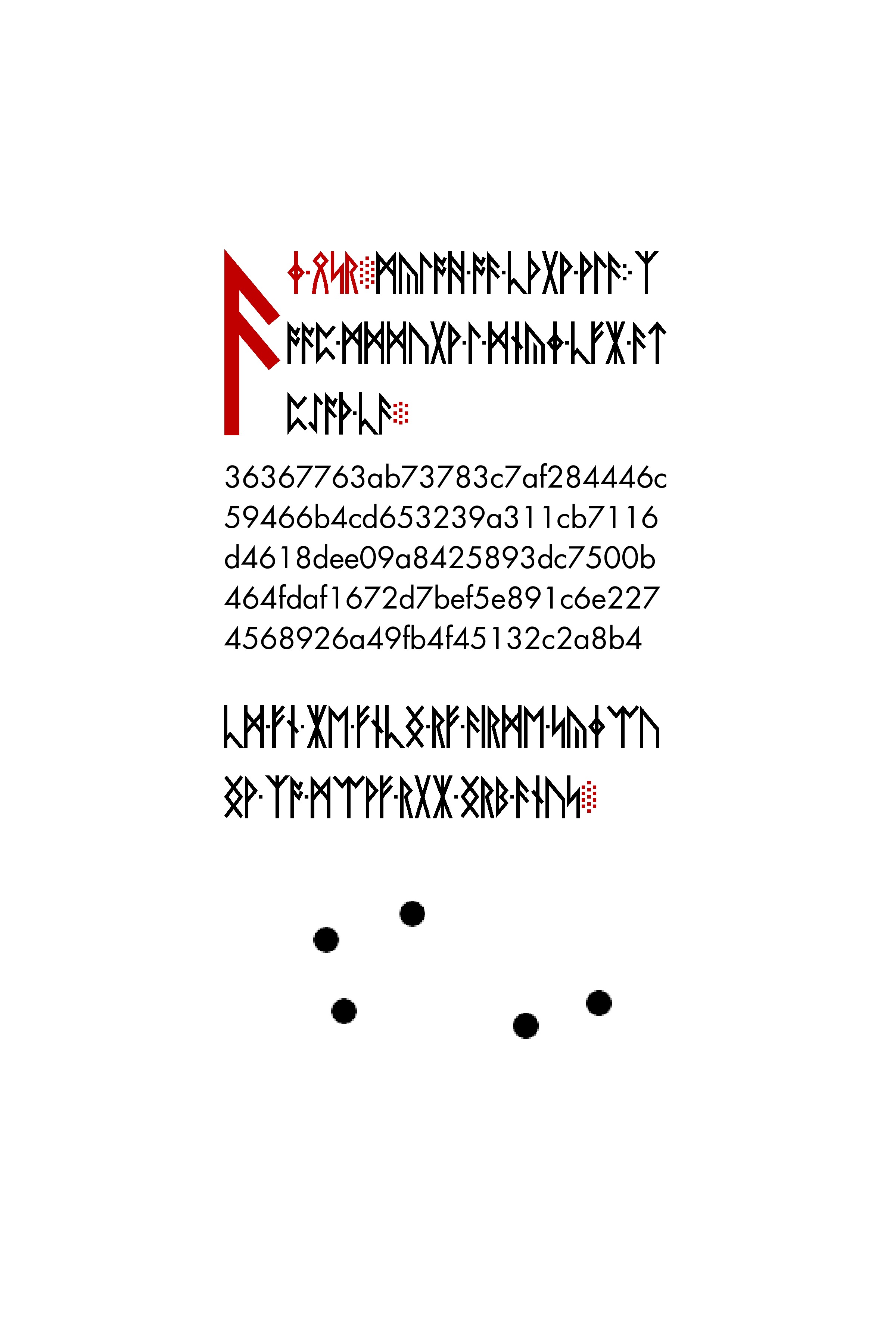
Why did the digest have a missing line? Its five lines contained 9, 10, 8, 7 and 10 digits from 0 through 4. The filter found every one; the fourth line simply fell below eight. Both non-grid cases show why digit recognition alone cannot identify a second byte display. The original separators determine which symbols travel together.
For robustness against slight changes in this print, the filter permits roughly 0.6 to 1.6 times the exemplar height, checks aspect ratio, and compares resized silhouettes. Requiring identical pixels to a single exemplar of each digit recognizes only 200 of 256 genuine leading digits; the tolerant version finds all 256. A different typeface, much smaller print, a tilted or damaged line, or a pair sequence broken across short lines could still be missed. Page-49 recall is a calibration check, not an independent prediction. These tests provide no OCR guarantee for different books.
Full-frame detector · Per-page detections, boxes, errors, and exact-template counts.