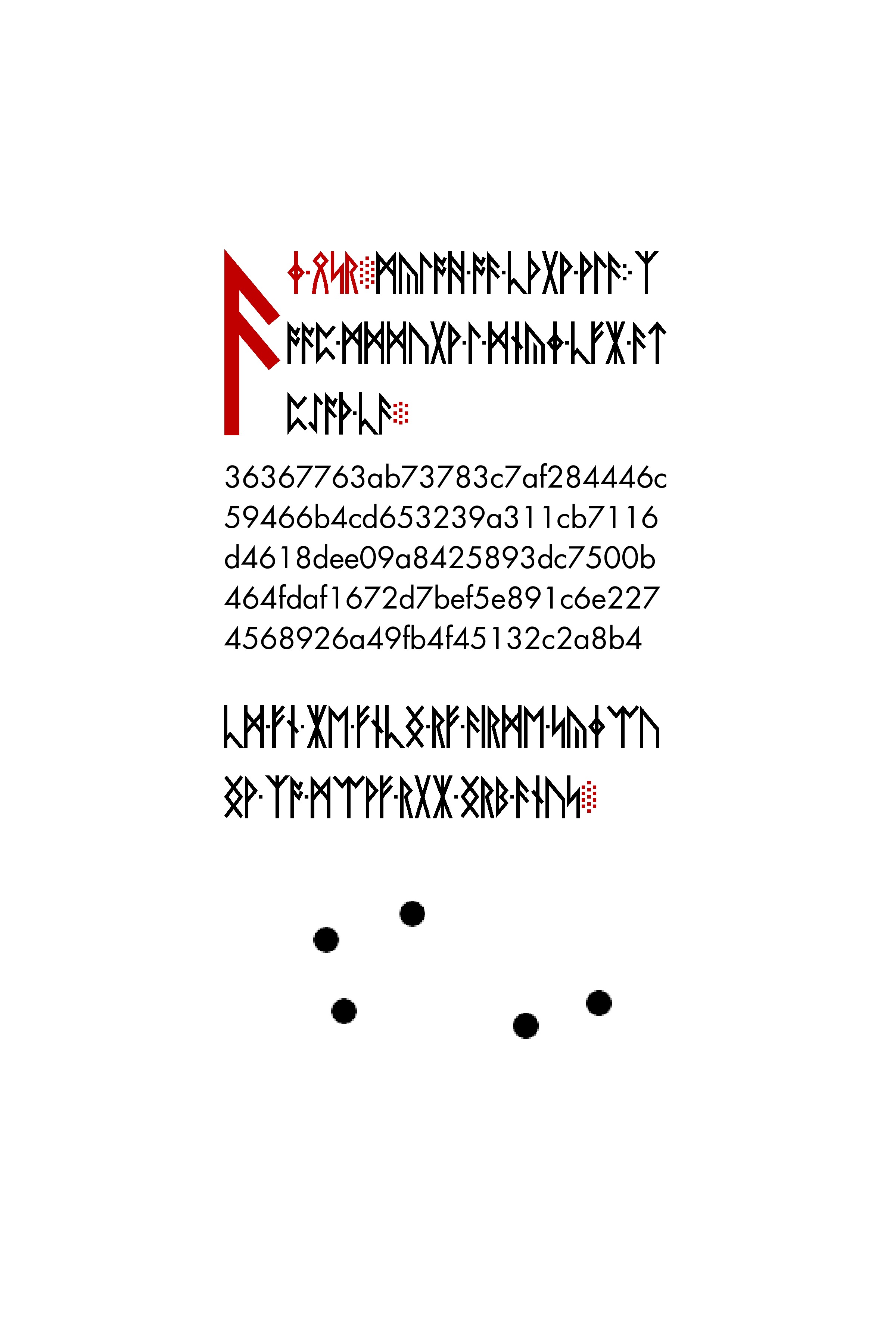
The three grid pages are parts of one object. Two other pages are worth looking at: page 15 prints a table of decimal numbers, and page 56 prints a continuous hexadecimal digest. A full-page visual review of all 58 LP2 images identified no other block resembling the grid at ordinary reading size. This is a claim about the visible page design, not about what might be encoded beneath it.
We used LP2 page numbers 0–57, corresponding to notebook images 17.jpg through 74.jpg. Every page is 2,400 × 3,600 pixels, has a distinct SHA-256, and matches its entry in the pinned JPEG archive manifest. That identifies the digital copies inspected; a matching archive hash is not a signature from Cicada.
| Pages | What can be seen on the source page | Count for this search |
|---|---|---|
| 15 | A four-by-four table in decimal digits; one entry is red | One different format to check |
| 49, 50, 51 | The same two-character display continues over the page turns | One known positive object |
| 56 | Five lines of lower-case hexadecimal without spaces | One different format to check |
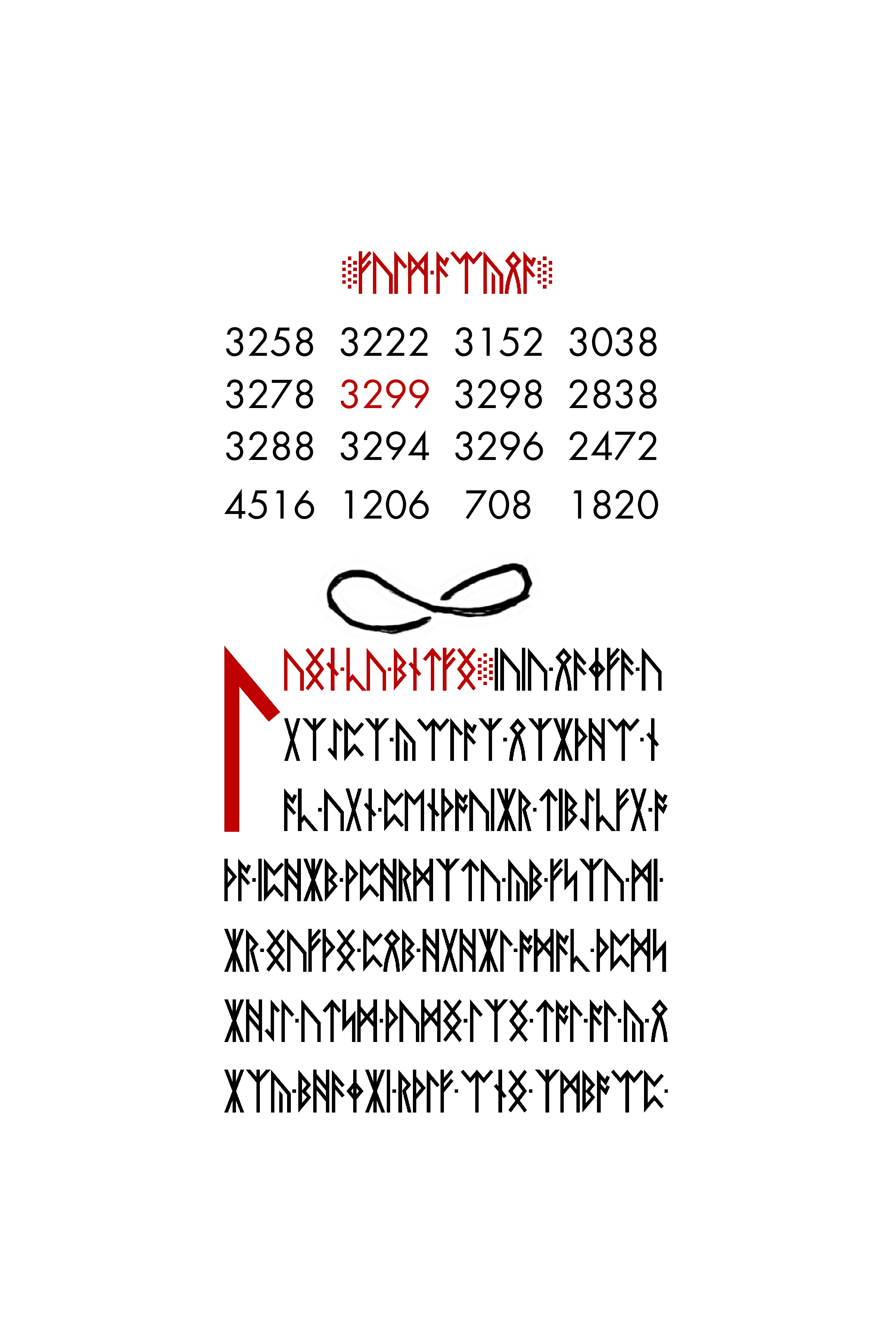
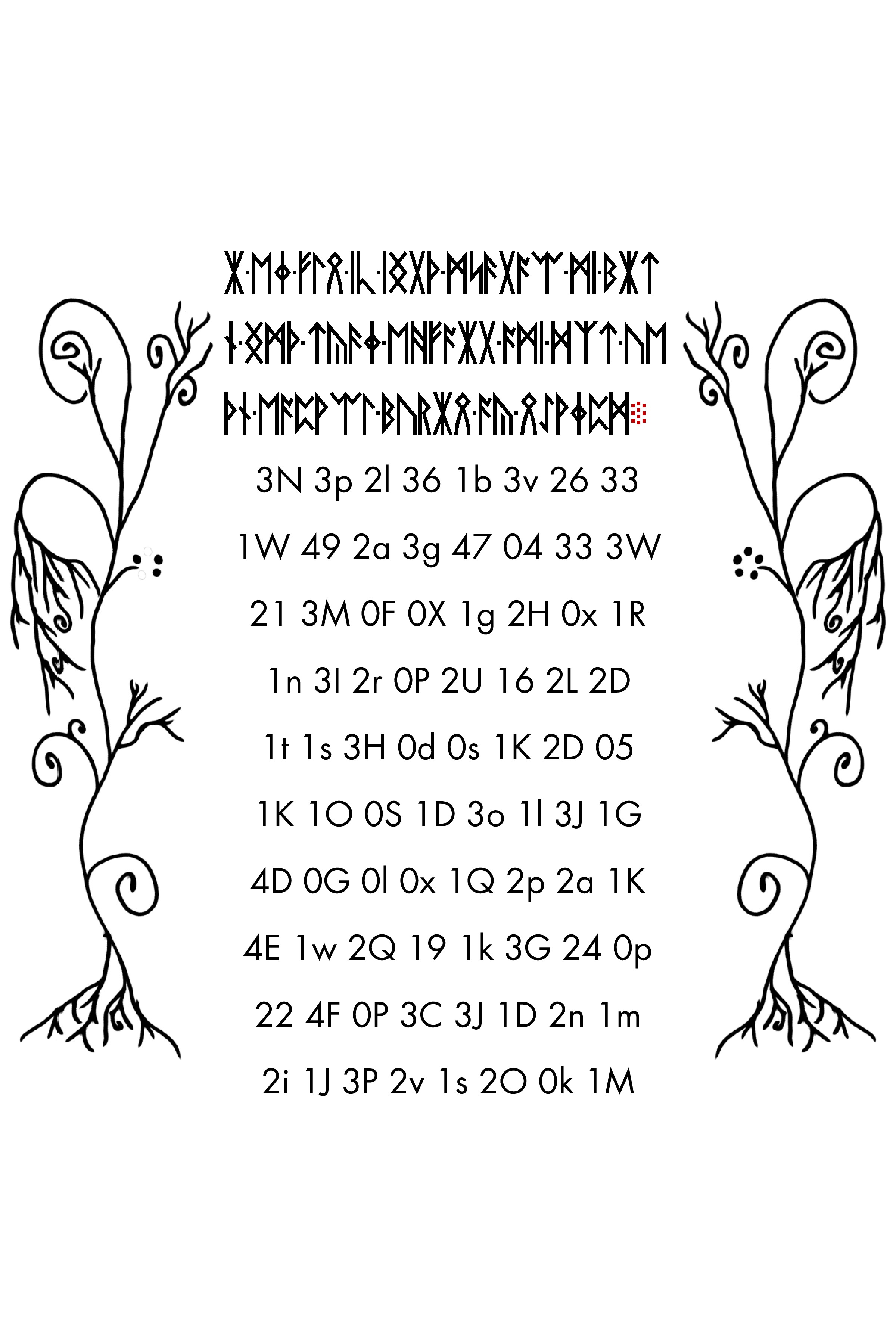
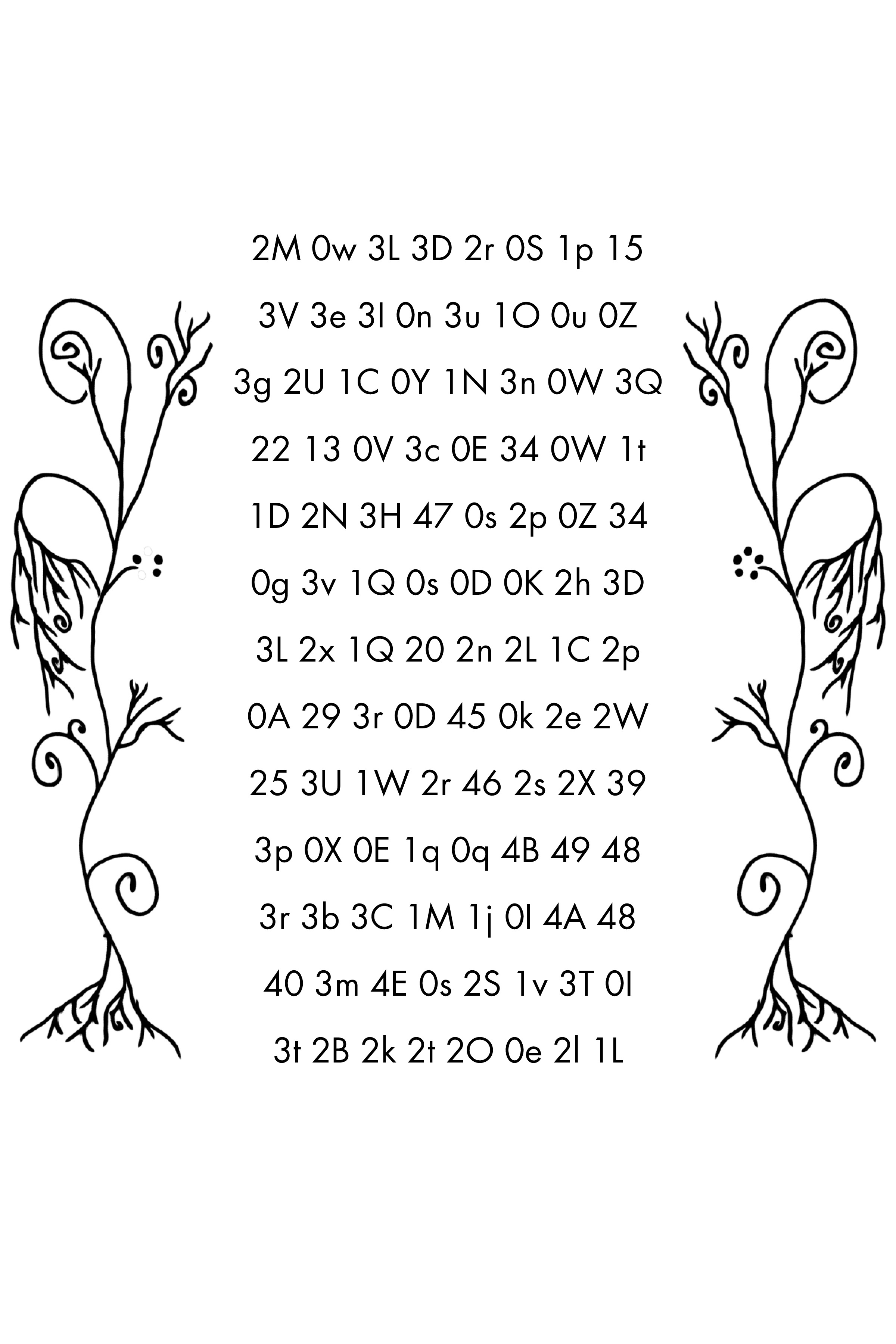
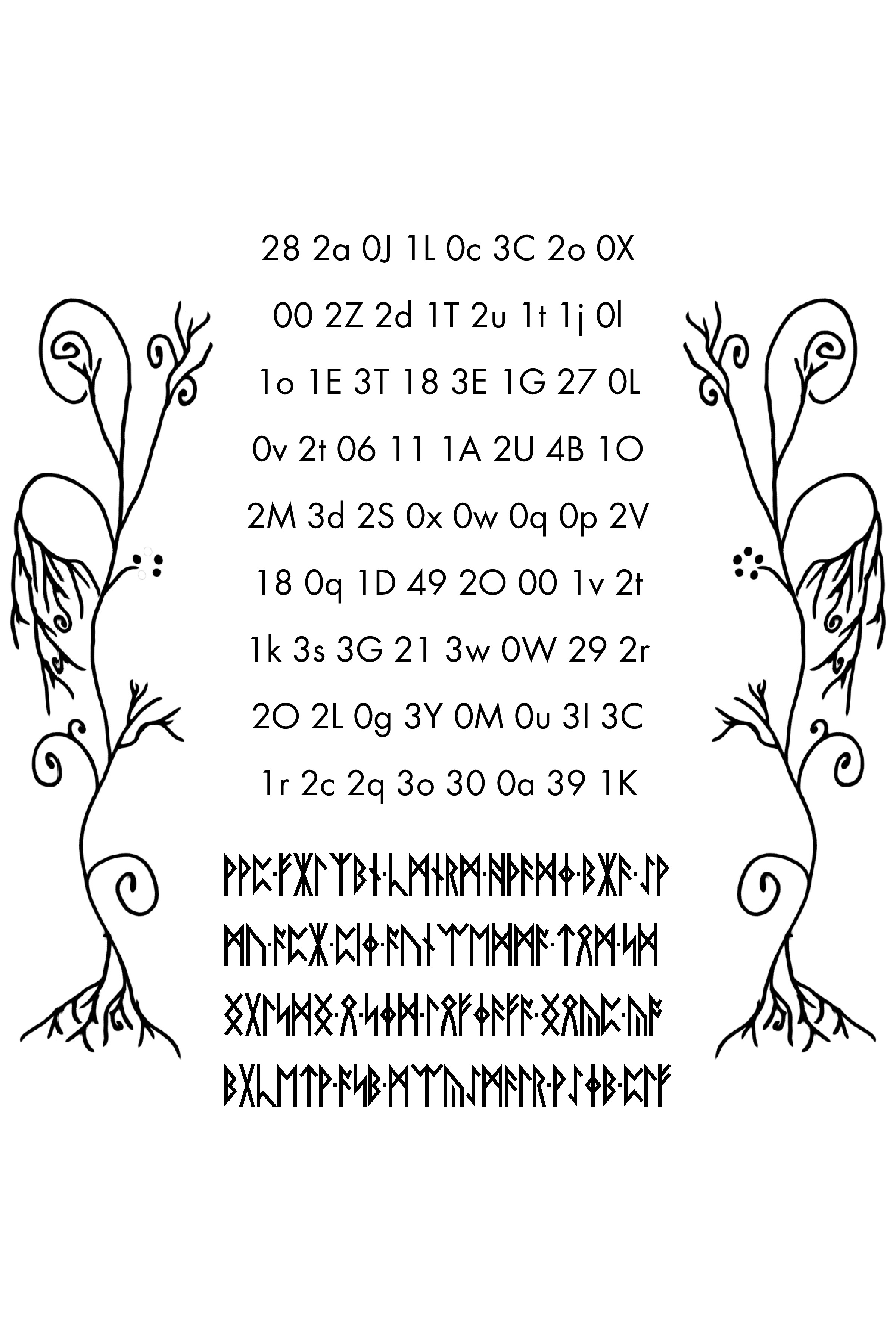
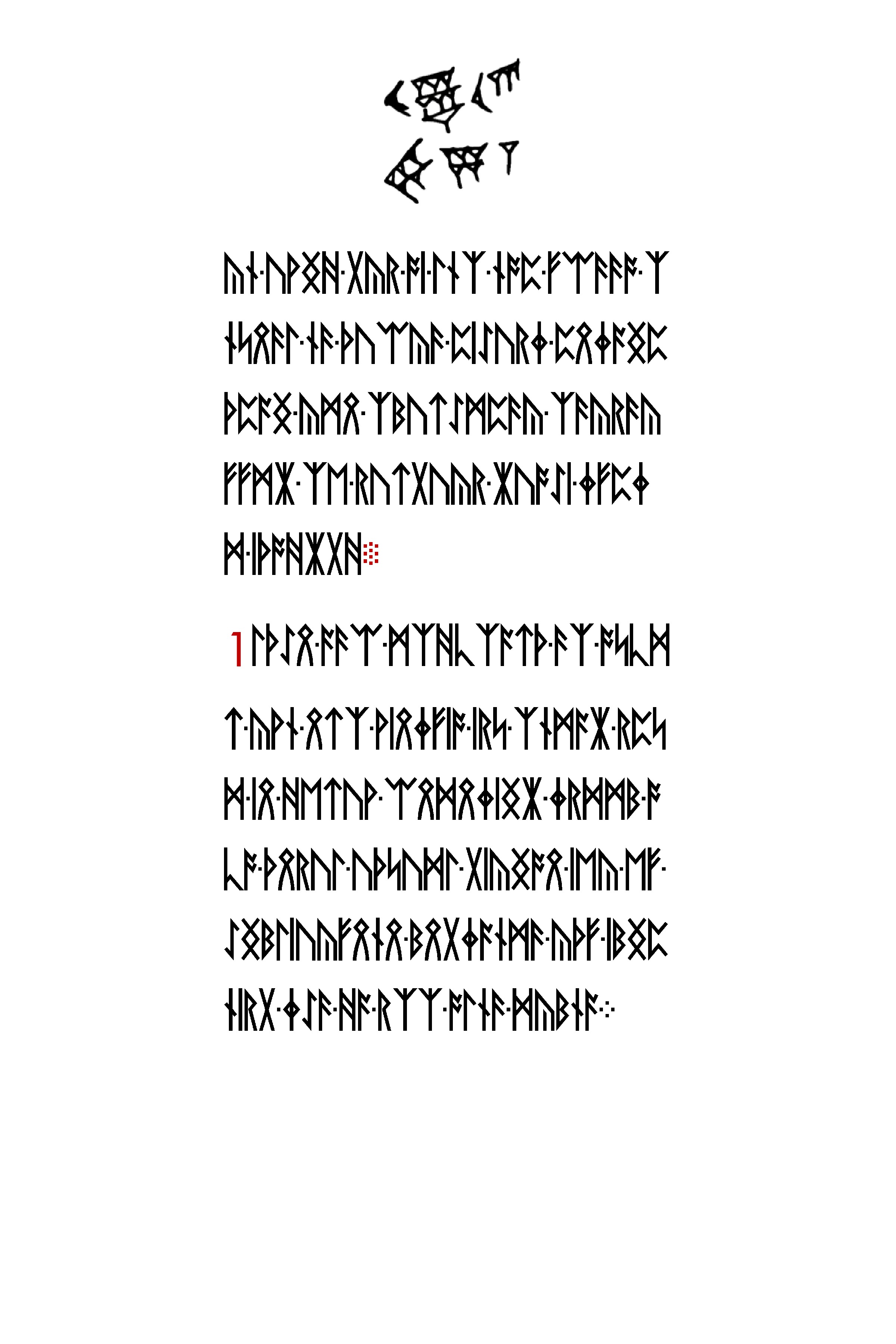
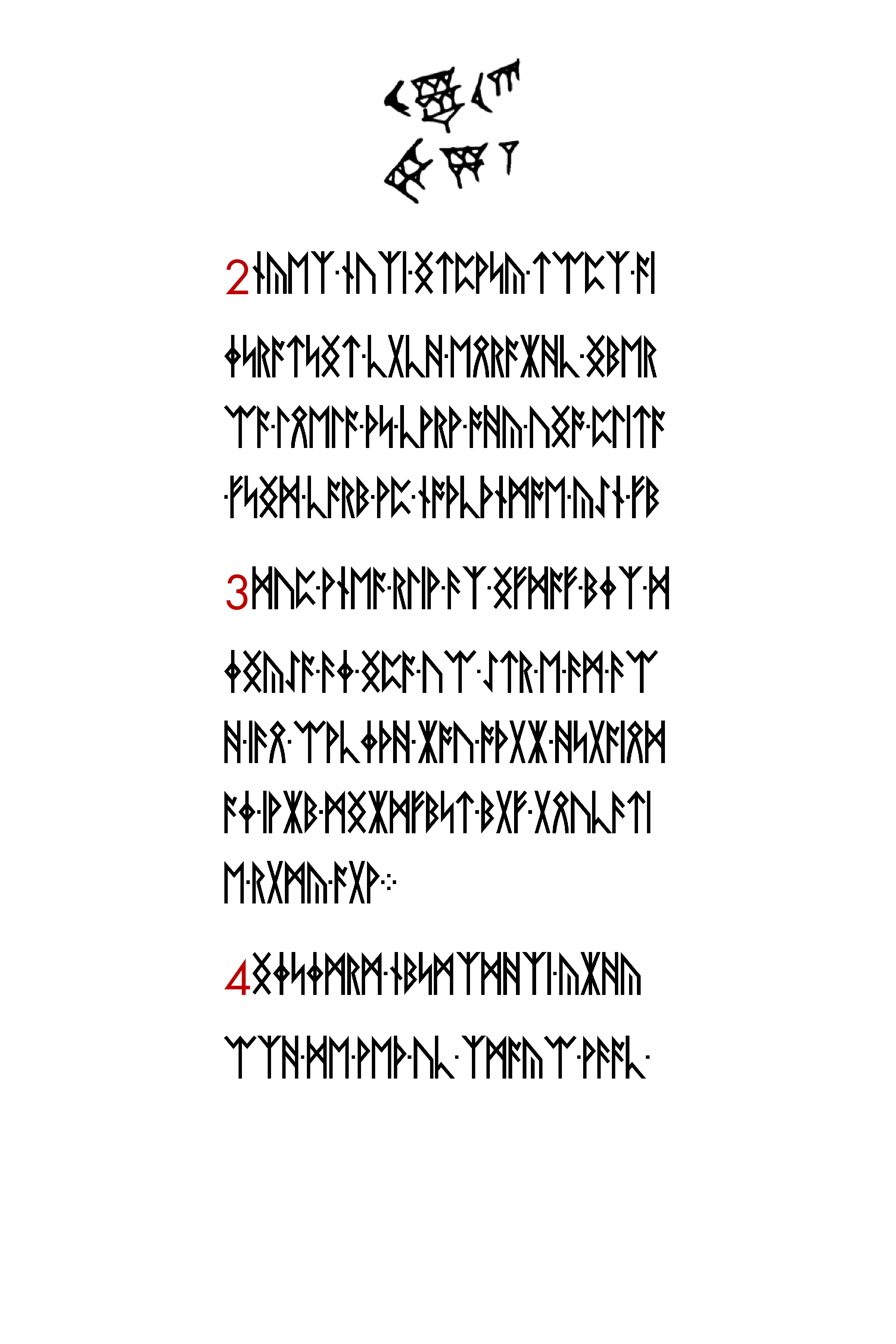
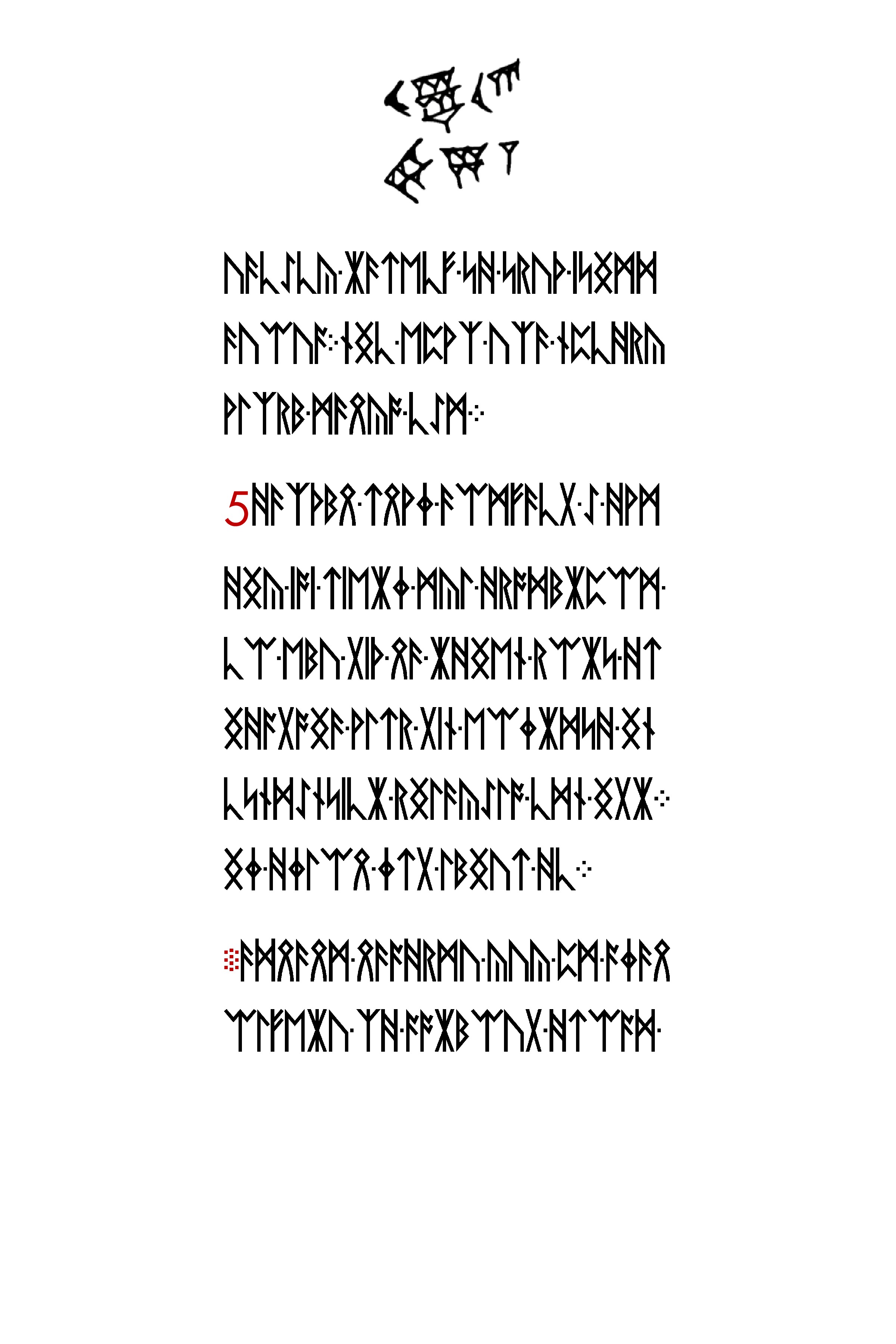
A single numeral is a different thing again: page 36 has a red 1 against rune text, page 37 has 2, 3 and 4, and page 38 has 5. The two lines of wedge-shaped signs at the foot of page 33 and at the head of page 34 are visible but are not printed Latin pairs. The inventory does not pretend that every ornament or isolated glyph has been read.
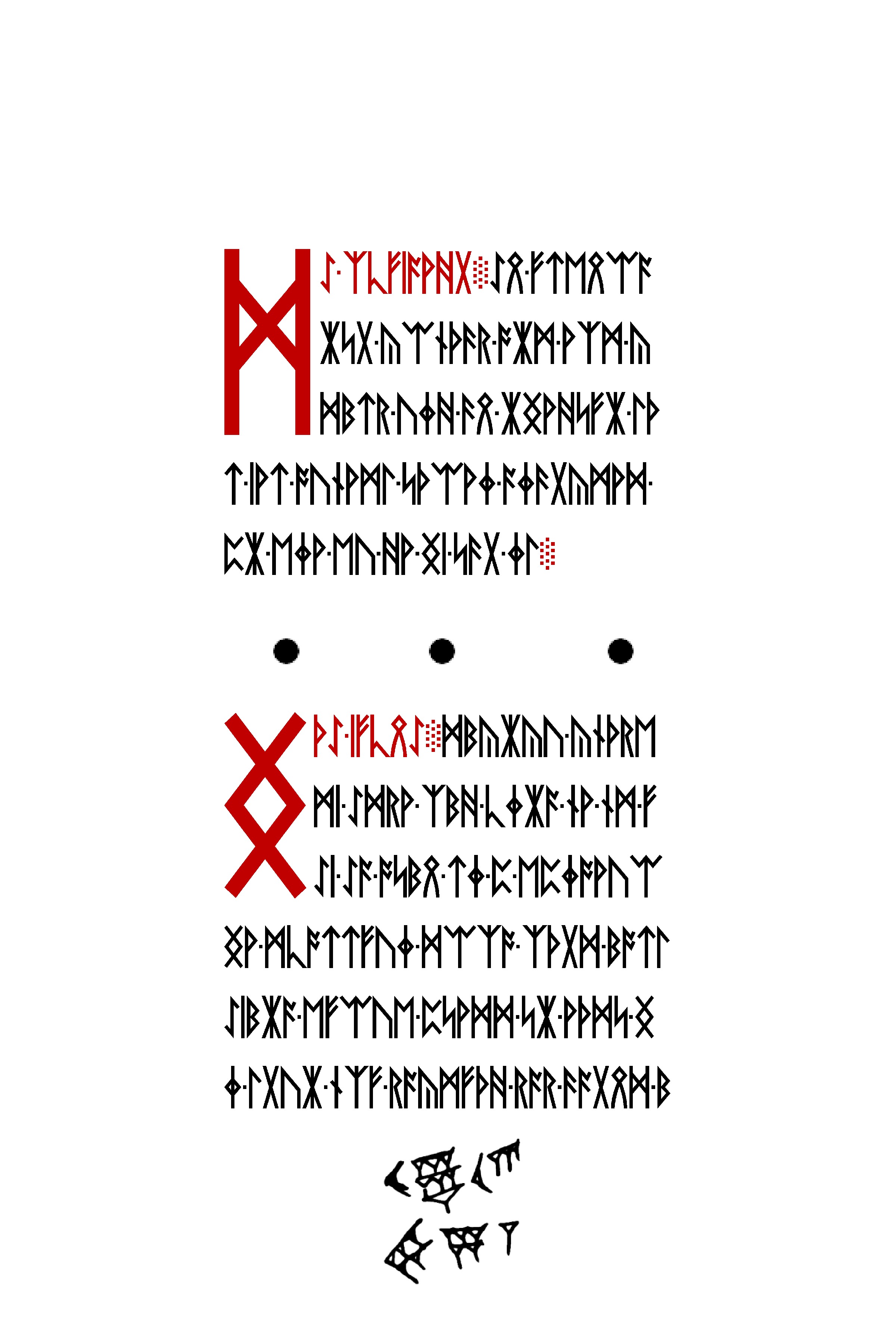
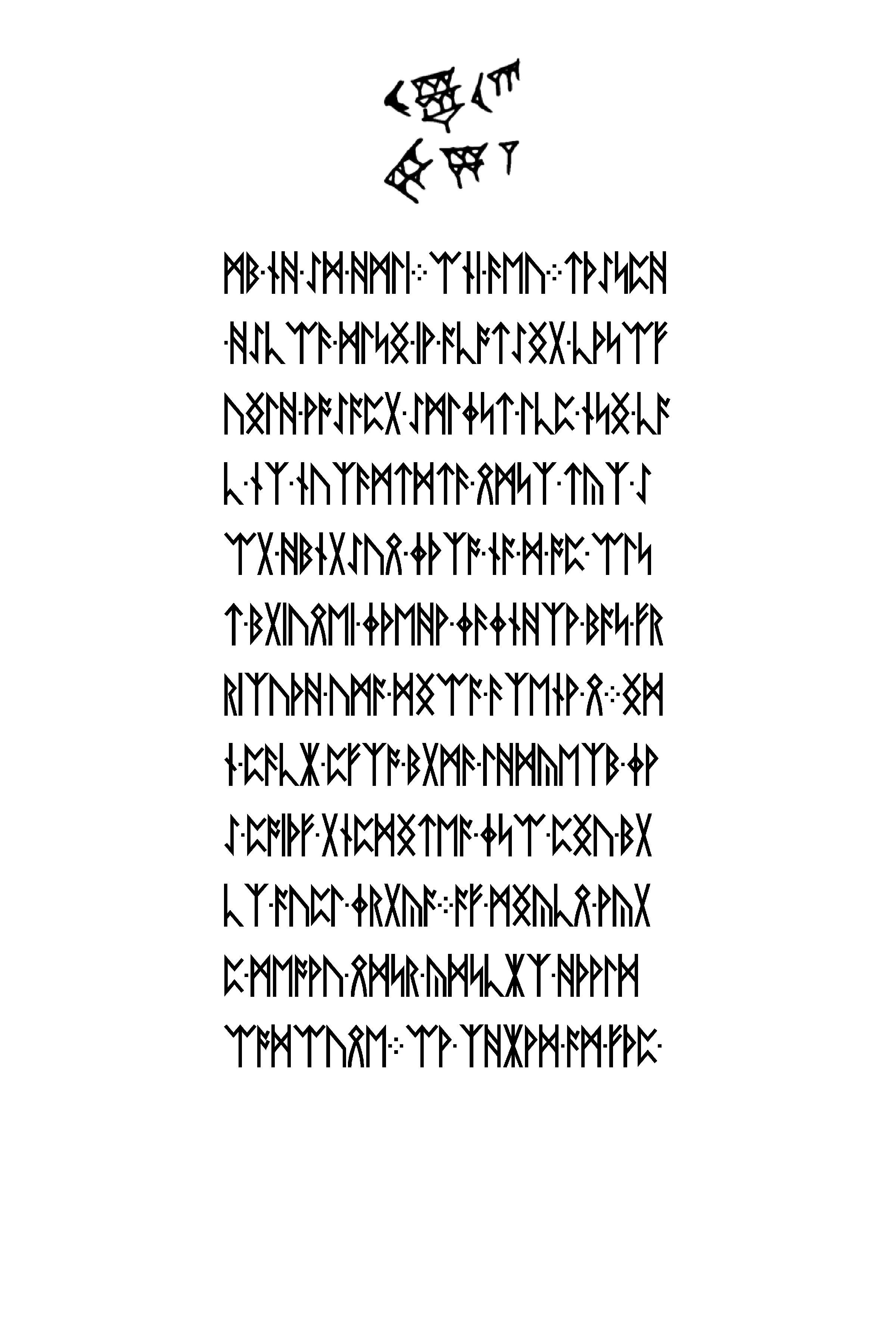
The review used four full-page contact sheets followed by closer inspection of the plausible displays. Small or faint details could be overlooked at that scale. The independent digit-shape screen searches native pixels across every page, including the margins. The table-spacing audit asks whether the apparent numerical near-match actually has eight two-character cells per line.
Page-by-page record and source hashes · Inventory check and optional contact-sheet generator.