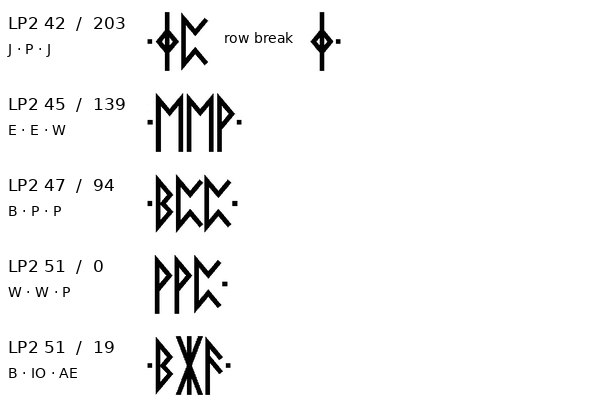
The page-42 word is printed as J P at the end of one row and J at the start of the next. The scan shows a separator before the first J and after the last J, but none at the wrap. Treating each line as a word boundary would erase the J·P·J constraint from the four-word test. It would be a change to how the book is read, not a correction supported by an extra printed dot.
| LP2 scan | Rune offset on page, from 0 | Physical row and rune positions, from 1 | What separates the word |
|---|---|---|---|
| 42 | 203 | Row 9, runes 22–23; row 10, rune 1 | Dot before J·P; dot after the J on the next line. |
| 45 | 139 | Row 7, runes 4–6 | Dots on both sides of E·E·W. |
| 47 | 94 | Row 5, runes 1–3 | The row actually begins with a dot, followed by B·P·P and a second dot. |
| 51 | 0 | Row 10, runes 1–3 | W·W·P opens the rune text after the display; a dot follows P. |
| 51 | 19 | Row 10, runes 20–22 | Dots enclose B·IO·AE, the first later three-rune word with three different runes. |
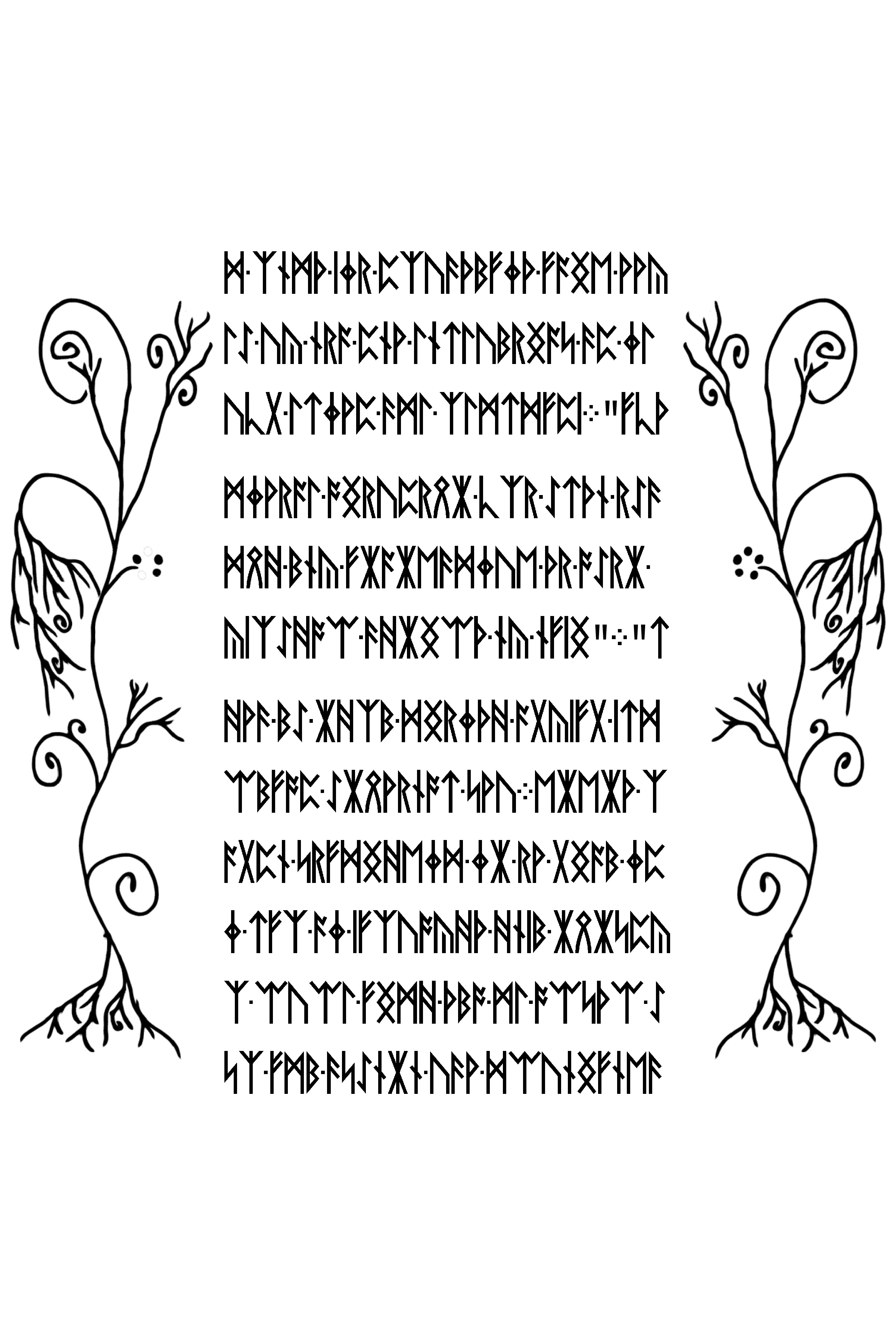
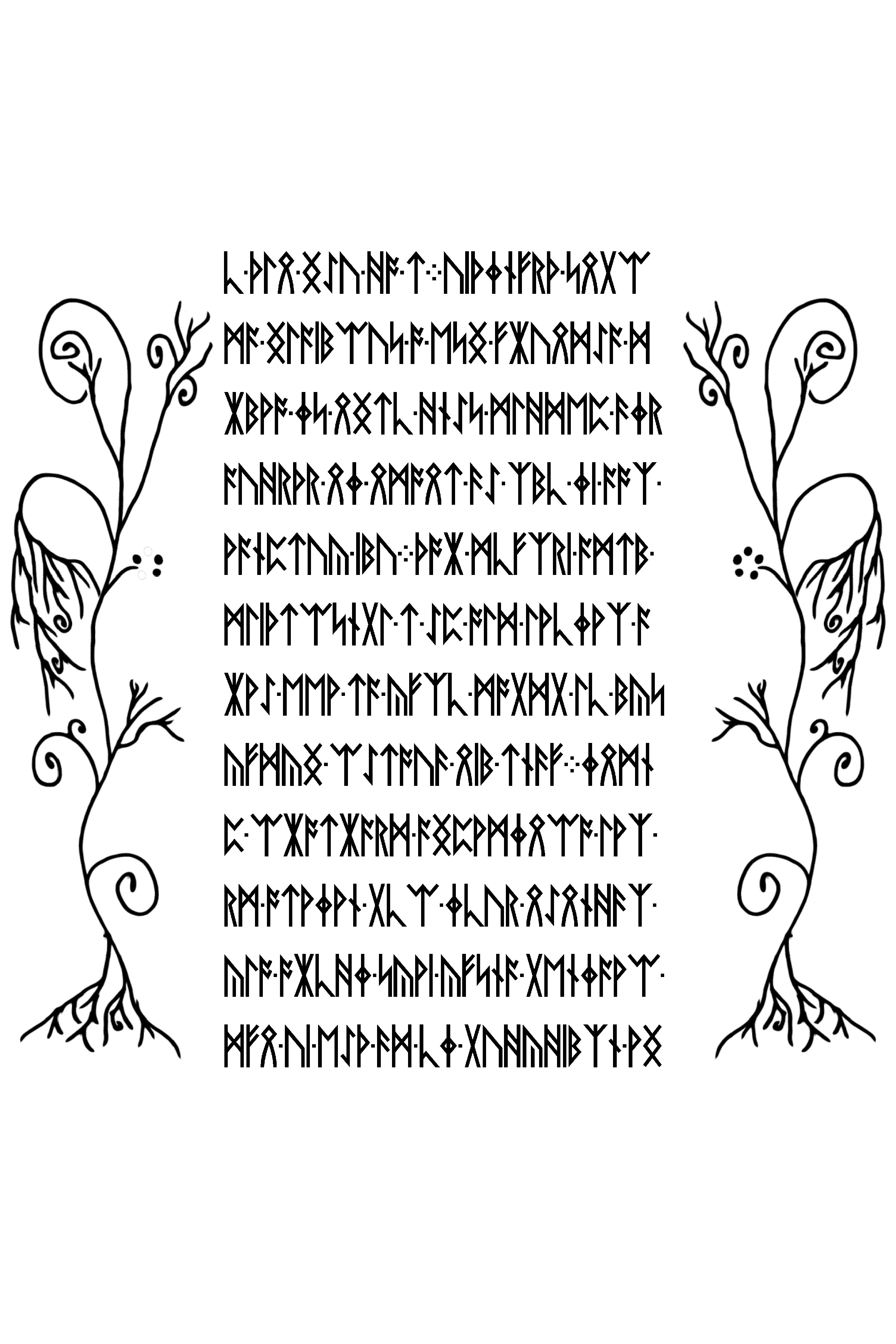
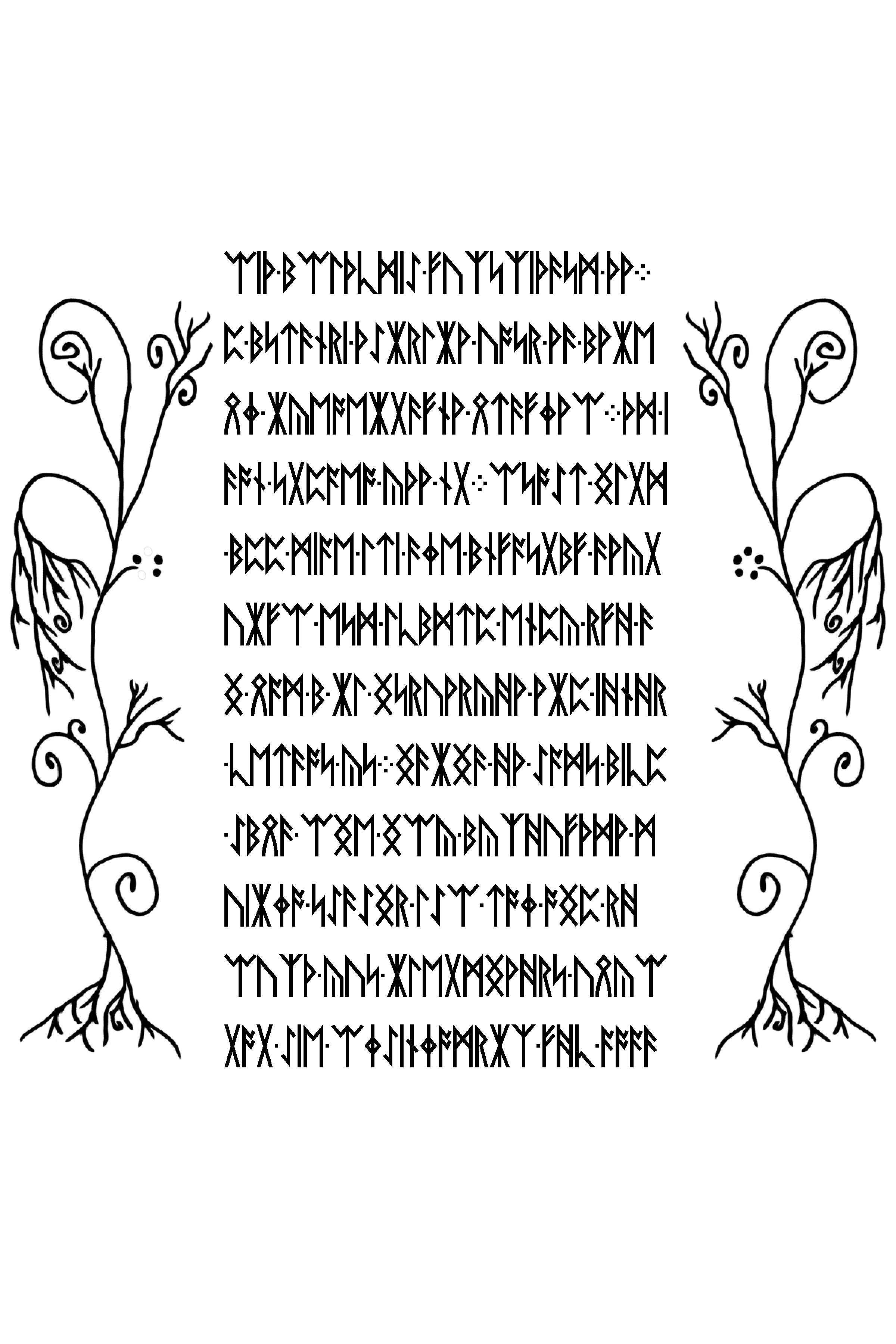
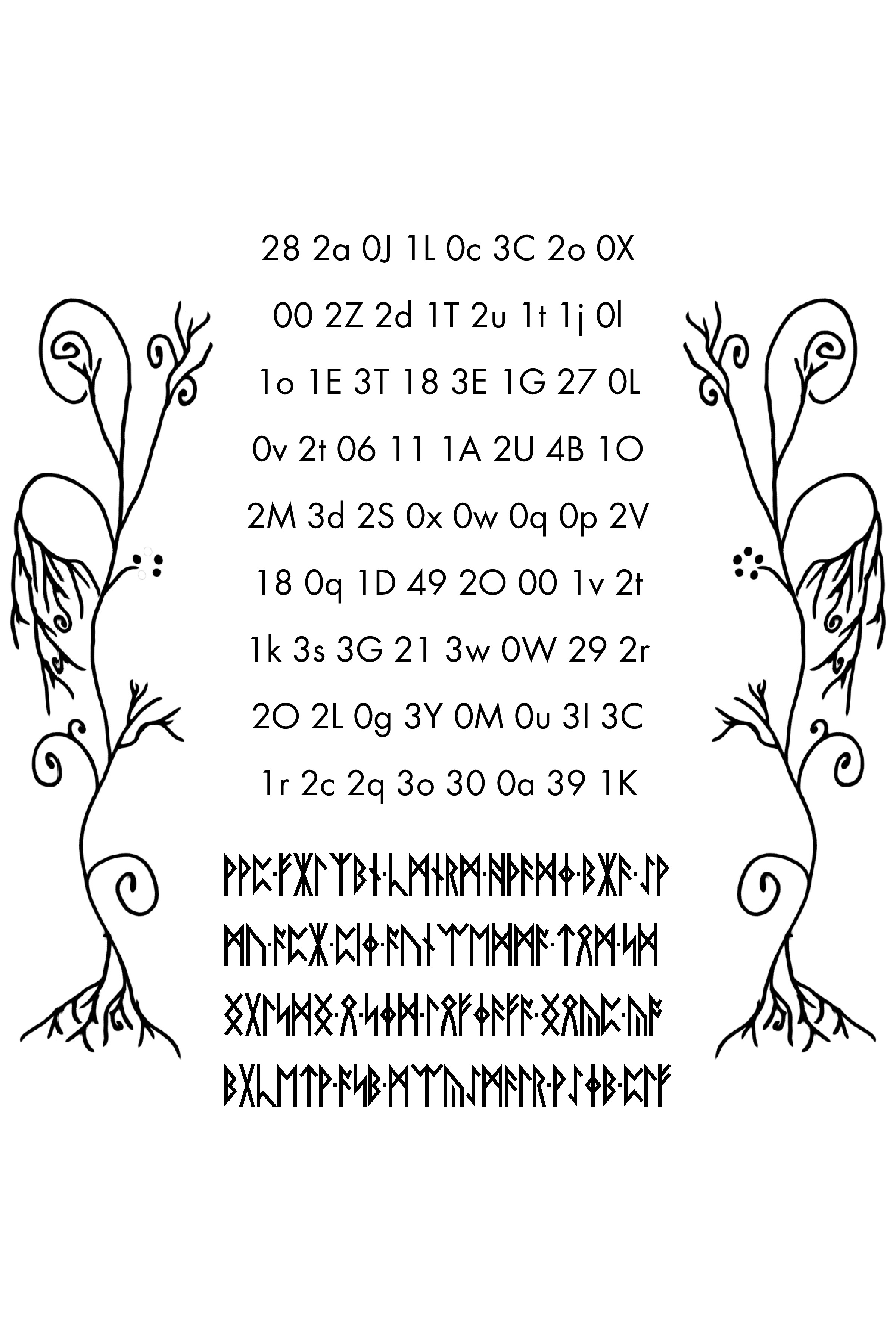
We located the targets by walking the written rows and counting runes without counting punctuation, then independently measured dark columns in the original JPEGs. The projected order of tall glyphs and short marks agrees with the transcript from each row's start through the selected glyphs. On page 45 two glyphs farther to the right share a projection, so this is a local check, not a transcription of the entire row. Three black/white cutoffs (80, 128 and 180) gave the same target boxes and separator positions. None of these checked fragments has an internal printed separator. The plate preserves the scanned word ends; it places the two page-42 fragments side by side with their real line break indicated.
This confirms the physical basis for counting the four words and selecting the held-out fifth. It does not say whether a cipher resets at a line, and it does not translate any rune. The earlier doubled-opening plate already showed E·E·W and W·W·P. The cross-line J·P·J, B·P·P and the independent holdout are the additional evidence here.
Scope · Rebuild the plate and measures · All native bounding boxes and scan hashes · Compare the shapes across pages.