Two places in section 8 give a physical reason to start a new block: the grid interrupts the runes at 2,474, and an illustrated passage closes before a new red heading at 3,008. These are the two primary cuts. Neither mark says that a cipher key restarts there.
We fixed both the primary cuts and a broader color-based comparison from the page images and earlier layout records, before inspecting the results of this batch’s cipher tests. A gap is numbered by the count of runes before it, starting at LP2 page 40. Section 8 has 3,316 runes. The primary cuts give three blocks of 2,474, 534 and 308 runes.
| Section gap | Printed evidence | Treatment |
|---|---|---|
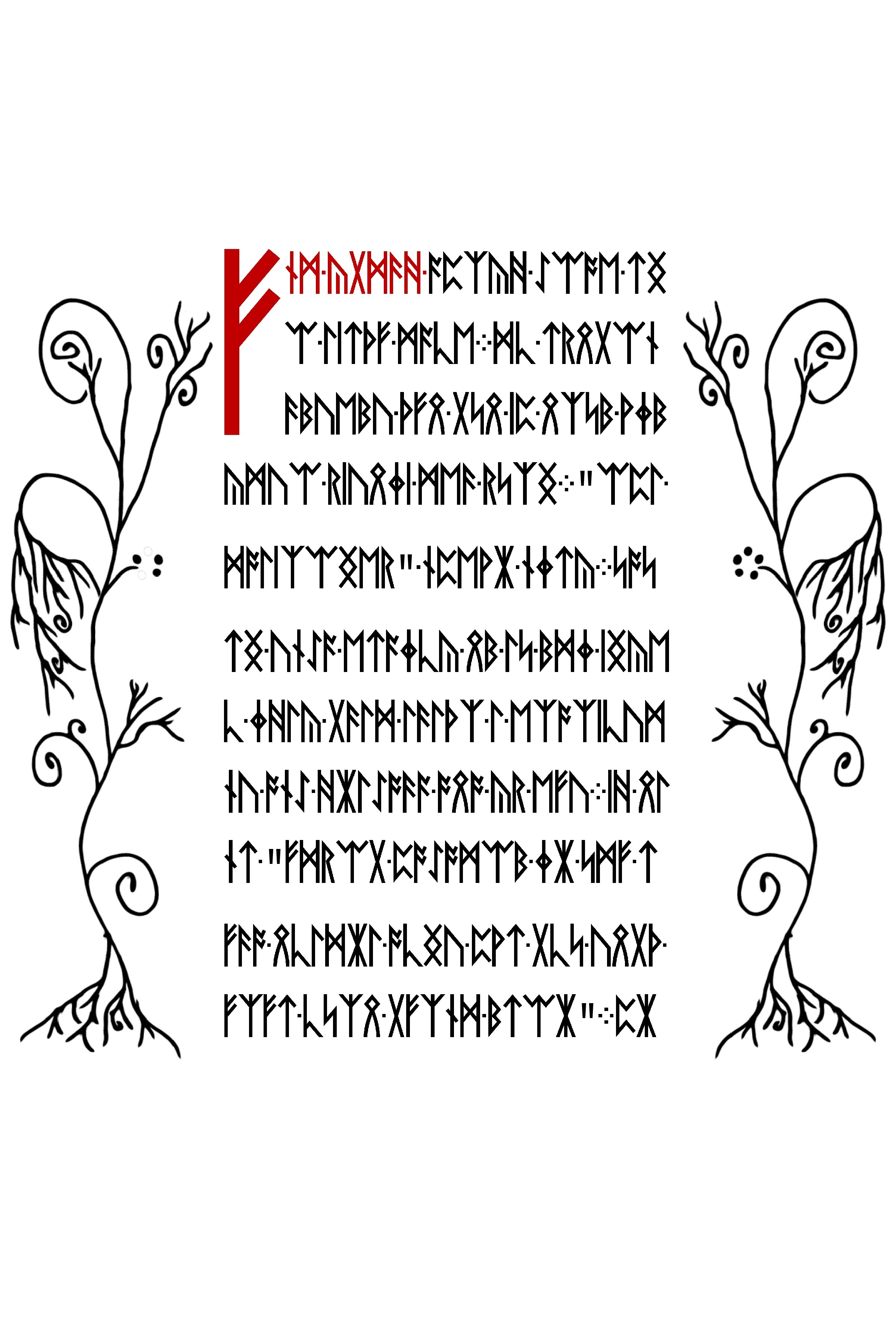
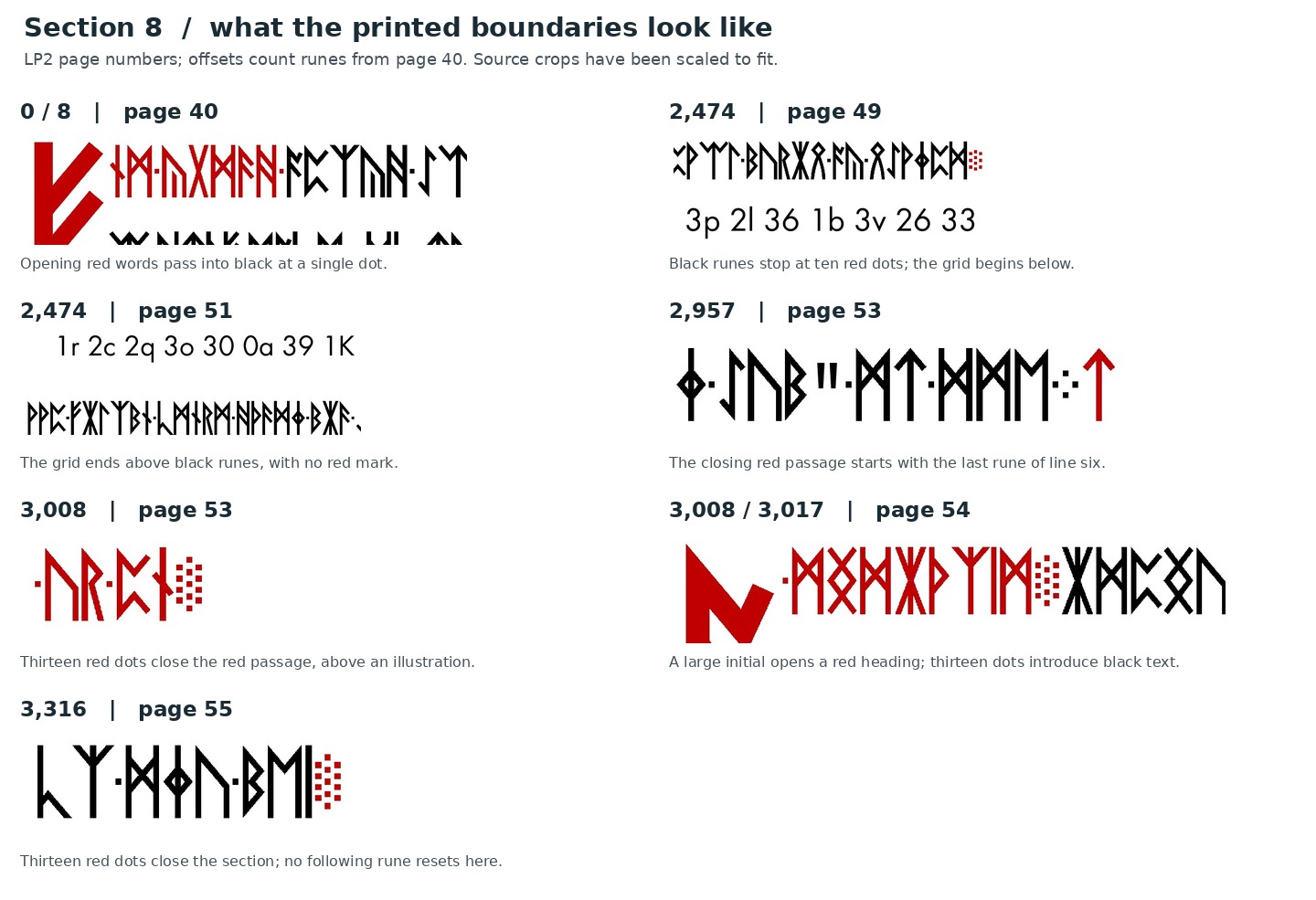
| 0 | Page 40 begins with an enlarged red initial and red opening words. | Start of section |
| 8 | The opening changes from red to black at an ordinary single-square word separator. | Color comparison only |
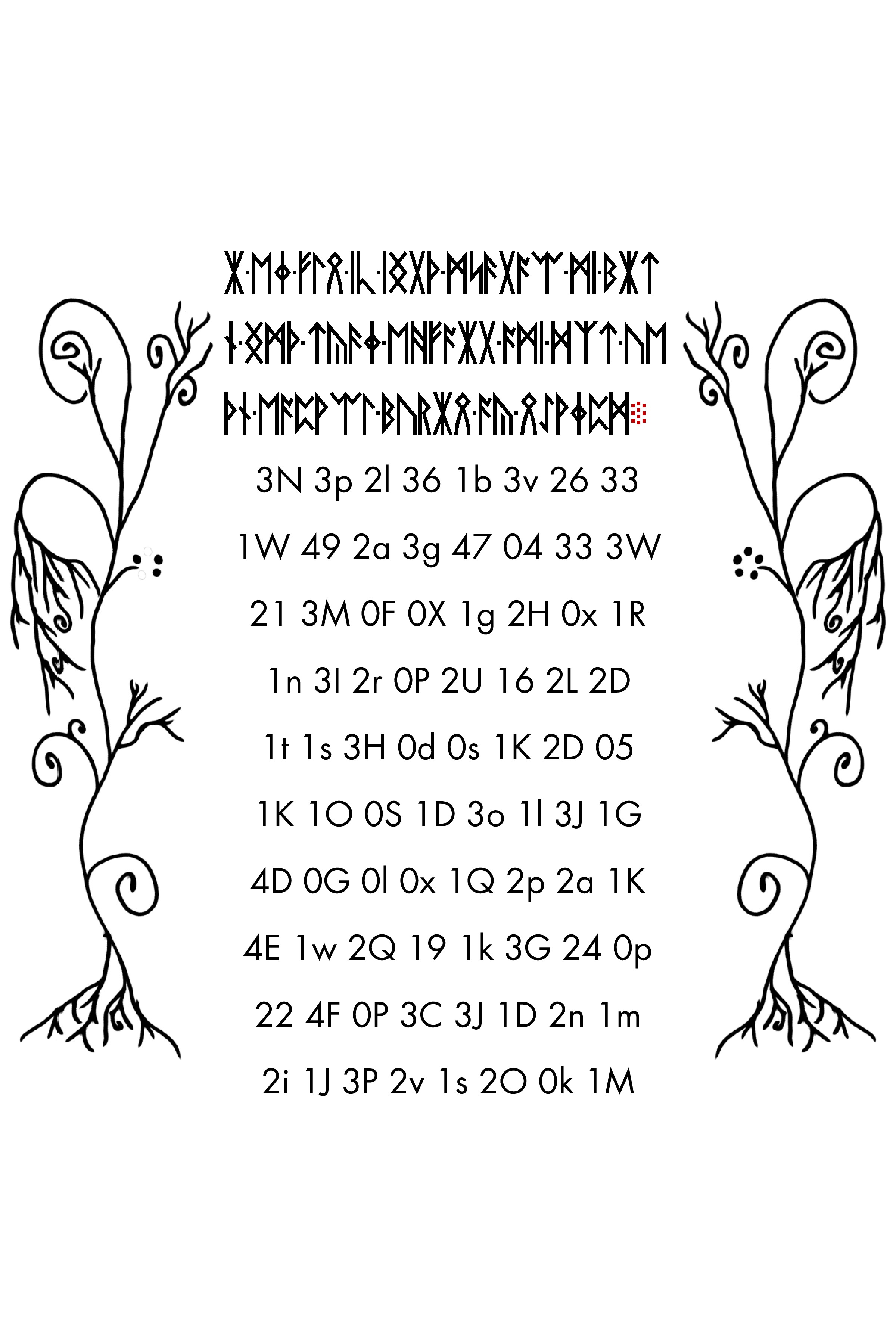
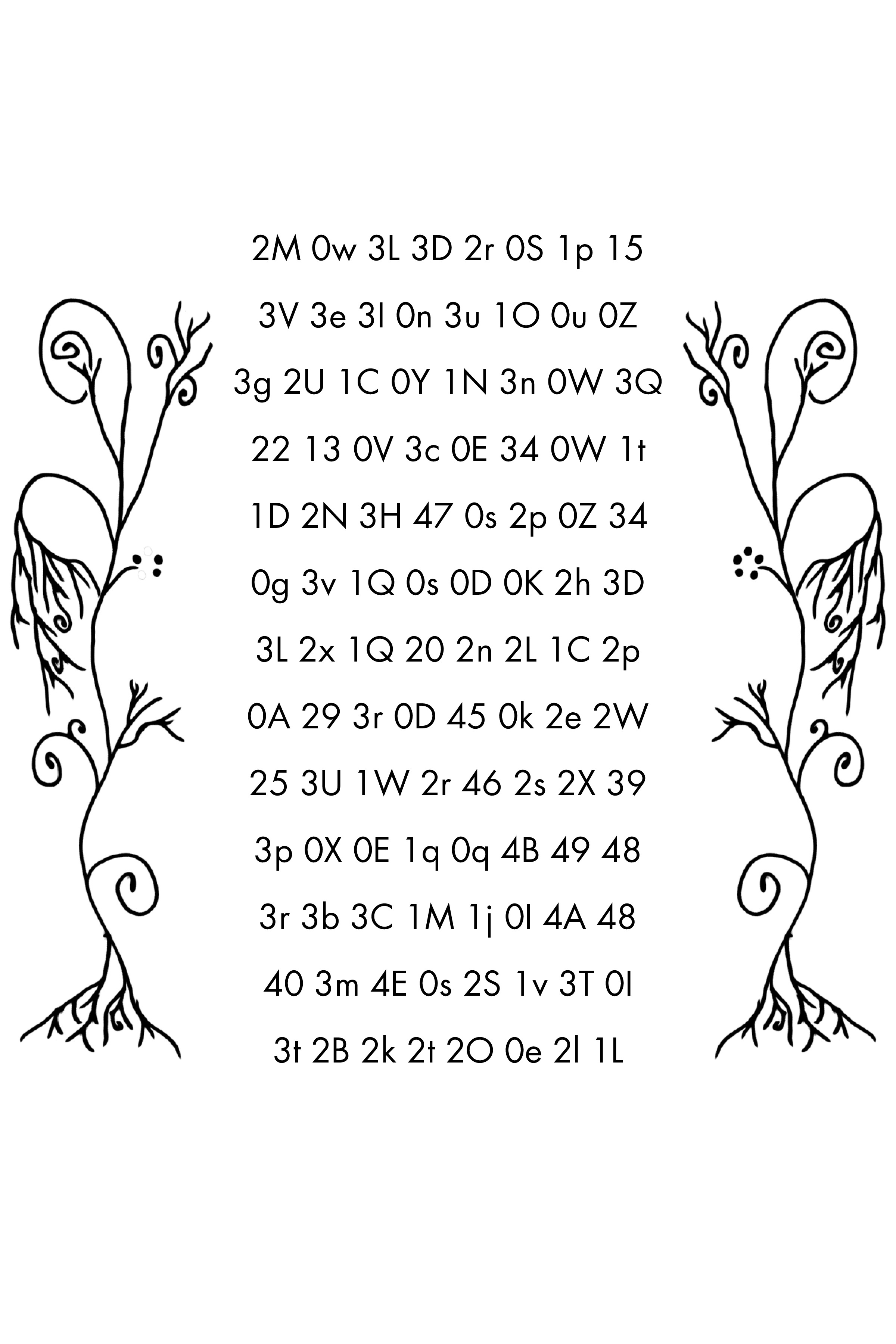
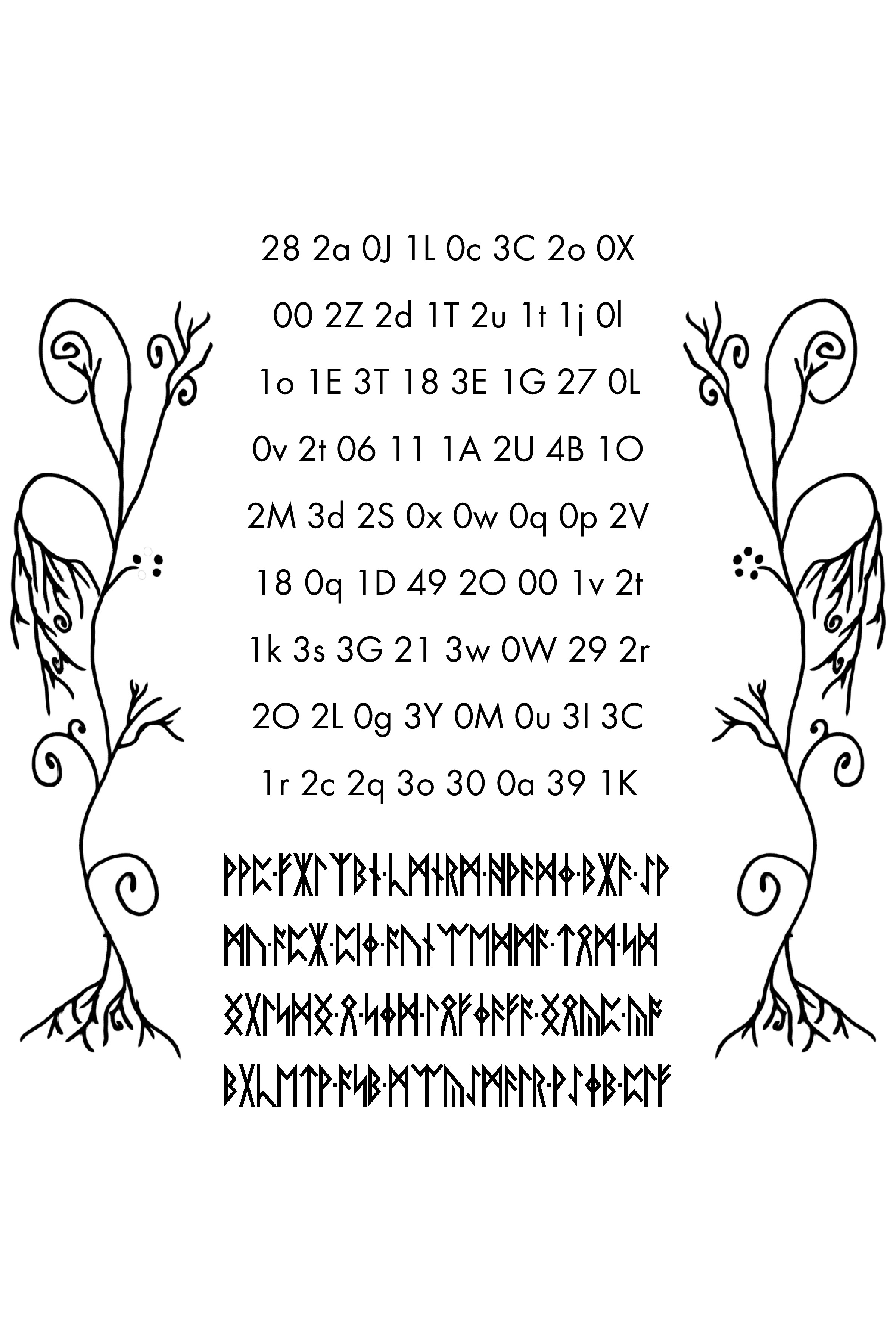
| 2,474 | On page 49, a 10-dot red mark ends the runes just above the grid. The grid fills page 50 and ends on page 51, where black runes resume without a red mark. | Primary: one interruption |
| 2,957 | On page 53, a black four-square stop precedes the 51-rune red closing passage. The last rune of line six is its first red rune. It is at page offset 128. | Color comparison only |
| 3,008 | Page 53 ends in 13 red dots above an insect illustration. Page 54 opens with a new enlarged red initial and red heading. | Primary: new headed passage |
| 3,017 | After the page 54 initial and eight further red runes, a 13-dot red mark separates heading and black body. | Color comparison only |
| 3,316 | On page 55, the black text ends in 13 red dots above an illustration. | End of section; no following rune |
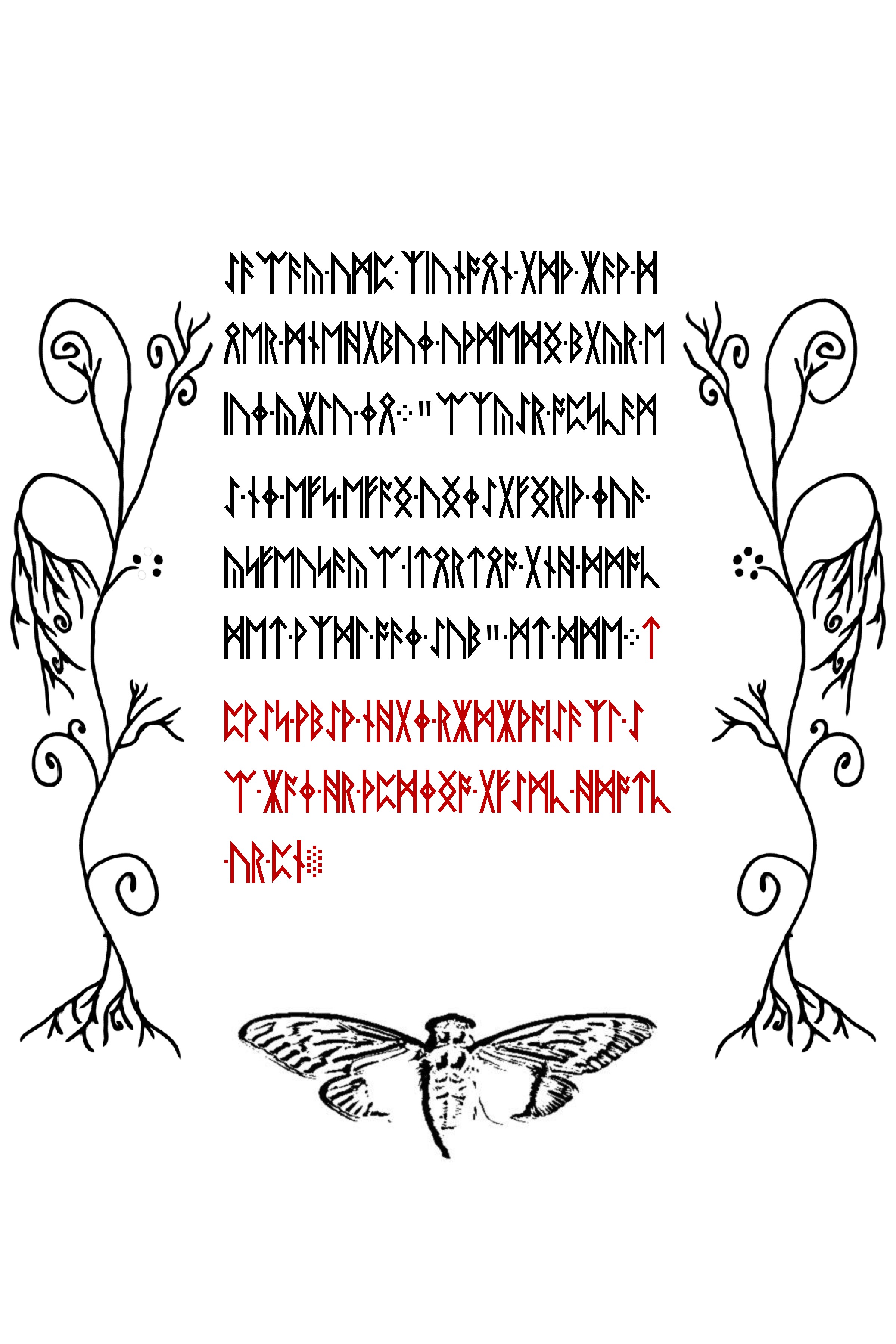
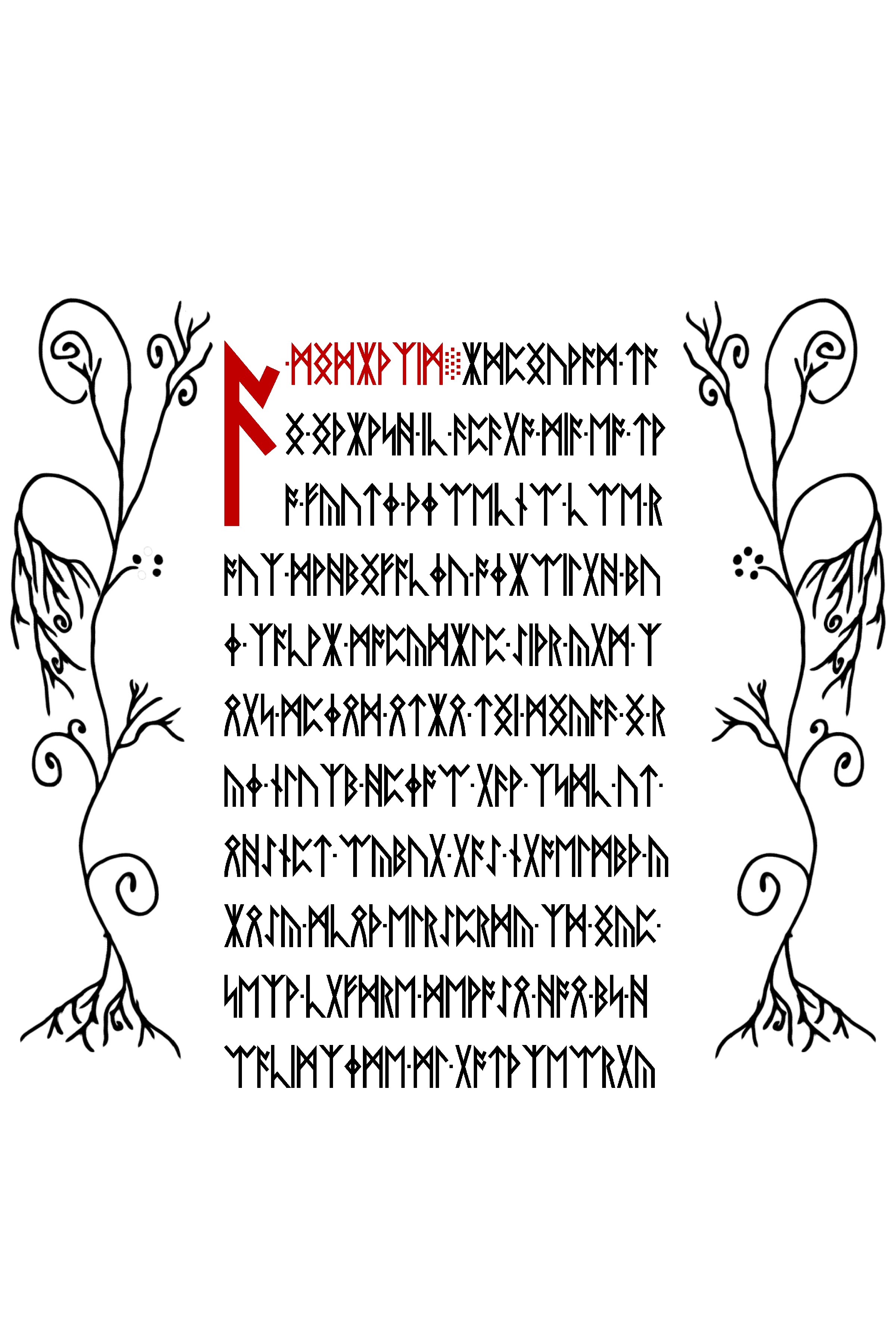
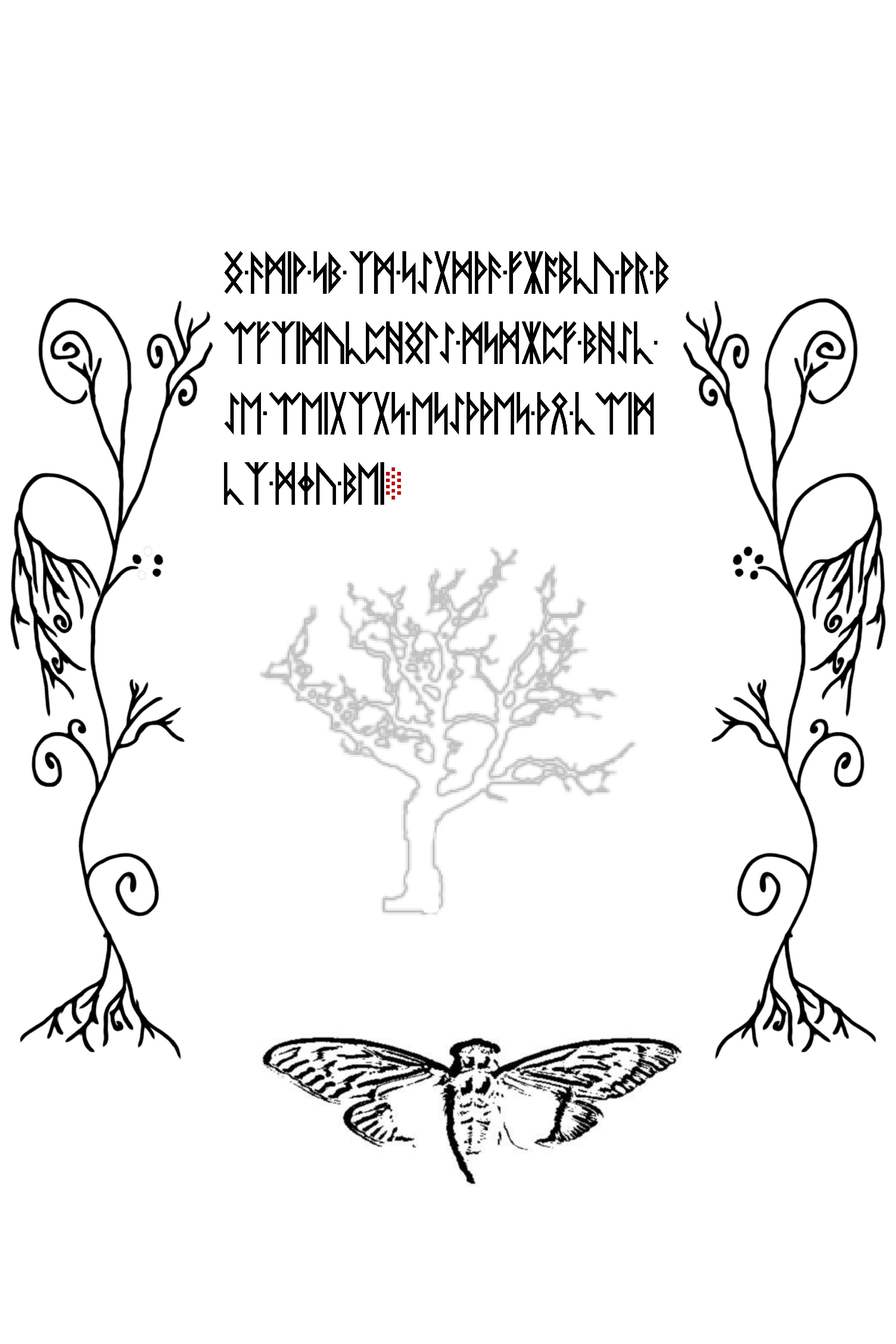
The broader comparison uses all five internal gaps: 8, 2,474, 2,957, 3,008, 3,017. Its additional cuts treat adjoining red and black text as separate blocks, even at the ordinary word separator on page 40. That is a different hypothesis from beginning only at a substantial new passage. The broader comparison includes an eight-rune opening and a nine-rune heading; those are real colored spans, not independent confirmations of the rule.
One grid, not two reset opportunities. The transcription’s paragraph character & occurs at the grid entrance on page 49 and the exit on page 51. There are no transcribed runes between them. At pages 53–54, the page 53 closing mark and page 54 new heading also share one rune gap. The other & is at the section endpoint. Thus the internal, distinct paragraph gaps in this transcription happen to agree with the two primary visual cuts. An ampersand is an editorial label, not a printed ampersand or a second piece of evidence.
What was checked in the originals. We checked the hashes of all 16 archived JPEGs and scanned the full images for red ink, repeating the small-square count at three color thresholds. The only red multi-dot clusters are the four in the table: 10, 13, 13 and 13 dots. Pages 41–48 and 50–52 have no pixels meeting any of the three red thresholds. In particular, the grid does not end in a paired red 10-dot mark. Unlike the 10-dot marks bracketing the numbered list in section 7, this is one mark before the grid. The alignments to rune offsets use the transcription and visual comparison; this is not independent OCR. Black punctuation, decorated borders and ordinary page turns were not promoted to cipher boundaries.
Fixed cut list · All image hashes, pixel boxes and manuscript coordinates · Reproduce the count and figure · Earlier red-opening audit · Earlier grid audit · Archived image collection.