At 27→28 the two sides really do form one printed group, N P F | P K. Under the selected key the joined score favored advancing at F. The implied continuation failed both later tests. The image evidence and the cipher evidence answer different questions.
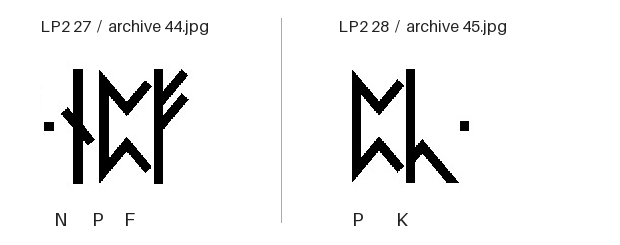
The small square before N on the left and after K on the right is visible in the source. The figure uses native source pixels from archive 44.jpg and archive 45.jpg; LP2 page numbers are the archive file numbers minus 17. Reproduce the crops. This is the same section whose later tree illustration is on archive 49.jpg, LP2 page 32, as Session 55 documented.
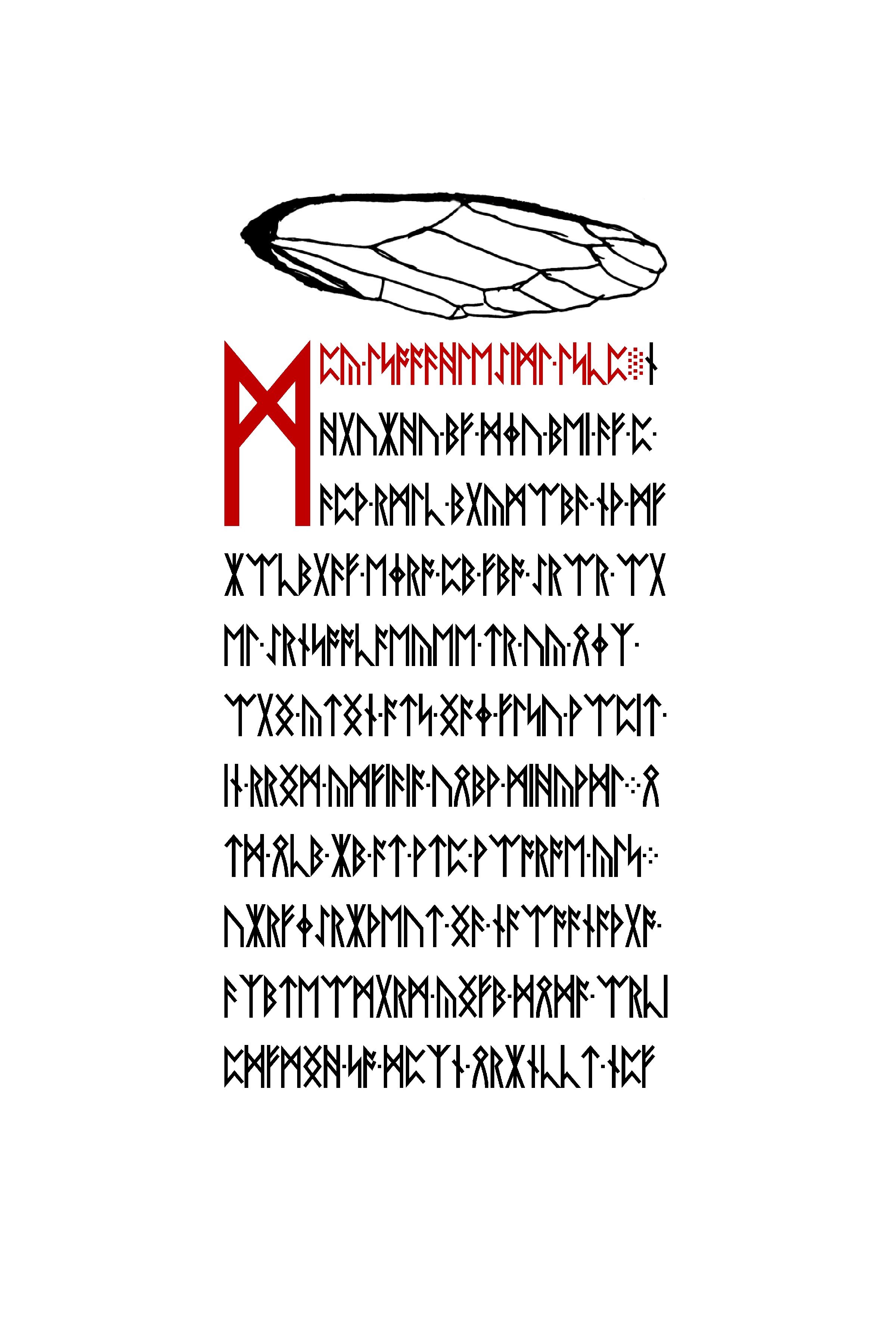
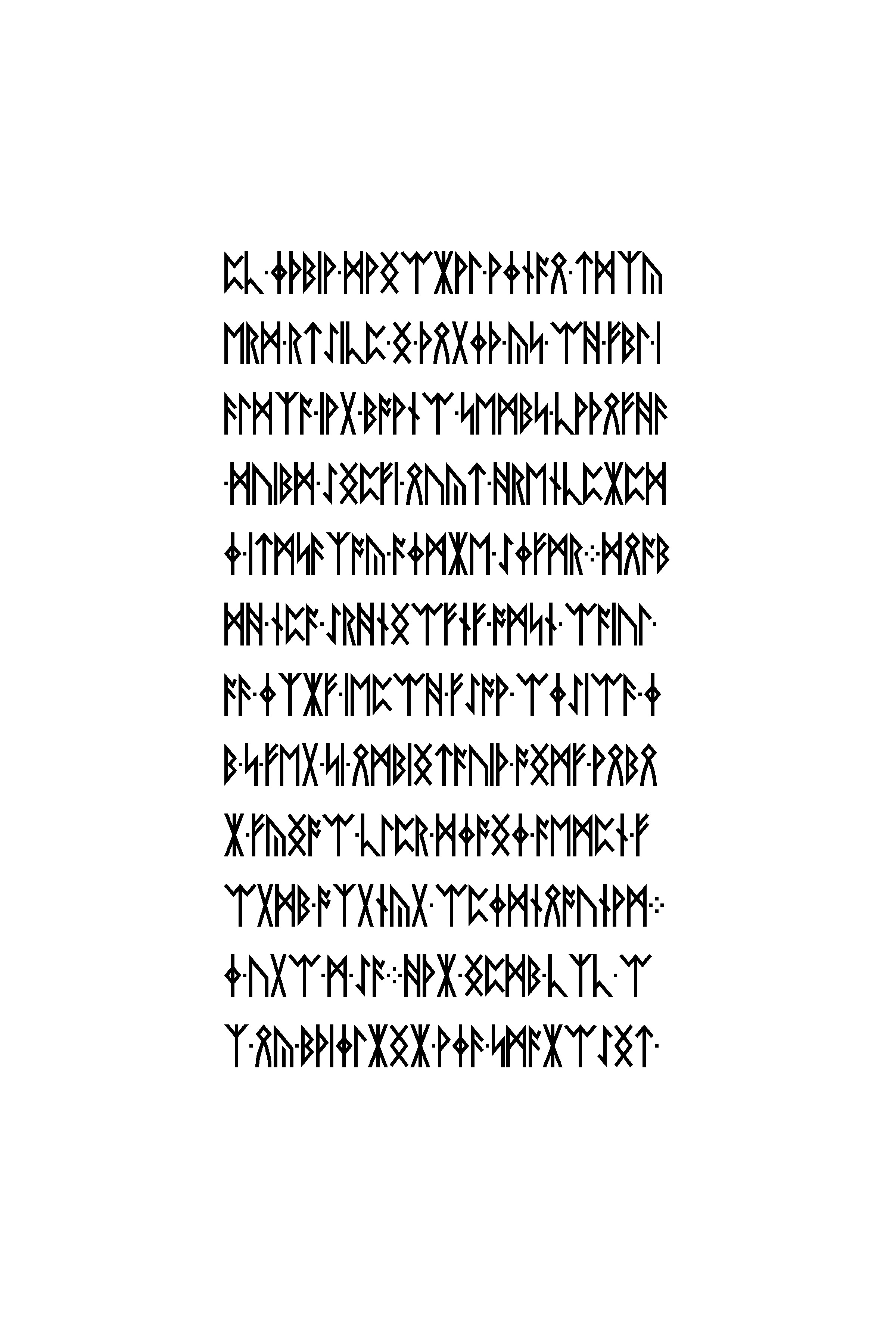
Only whole words on the right gave a tie: there is no complete word in the first four new runes. Adding the word across the break favored advance by 4.72 log-score units. The following 32-rune block scored better than some shuffles but not unusually well (p = 0.204); the following 28-rune block did worse than most shuffles (p = 0.968). Both failed the absolute language check as well. Word scores exclude partial words at the edges of each test block. No later evidence was used to alter the key or clock.
The other joins gave a tie at 17→18 and local hold preferences at 48→49 and 51→52. Session 193 reports all eight untouched tests and what happened when shorter keys received their own places in the search.
Next: No reading survives at any of the four physical joins.
Fixed protocol · Experiment code · Candidate banks, scores and grades · Independent verifier.