The tree passage finishes this test at 53 of 56 breaks explained by ordinary width. Three remain borderline. None clearly ended early. We are setting line endings aside as a cipher lead unless new source evidence changes the measurement.
Session 129 tested one best-fitting set of rune widths. Here we asked a different question: could any set of fixed advances and ink offsets place every training sign within one pixel, while a common cutoff explains the training wraps? We allowed each unknown width and offset to vary, and asked a linear solver for any compatible solution. No vector met the constraints, at any of the three image thresholds. There was consequently no valid one-pixel range to check on the held-out pages or apply to a target.
As a separate diagnostic after the failure, a second optimization minimized the largest training error. At the primary threshold the best achievable error was 1.275 pixels, both with and without the line-break constraints. The ink positions alone are enough to show why the one-pixel rule fails. We did not use the relaxed tolerance to promote any result.
| LP2 page, line | Incoming rune | Estimated excess from the fitted model | Decision |
|---|---|---|---|
| 28, line 6 | A | +2.79 px | Borderline retained |
| 30, line 5 | TH | +2.43 px | Borderline retained |
| 32, line 5: tree page | F | +0.66 px | Borderline retained |
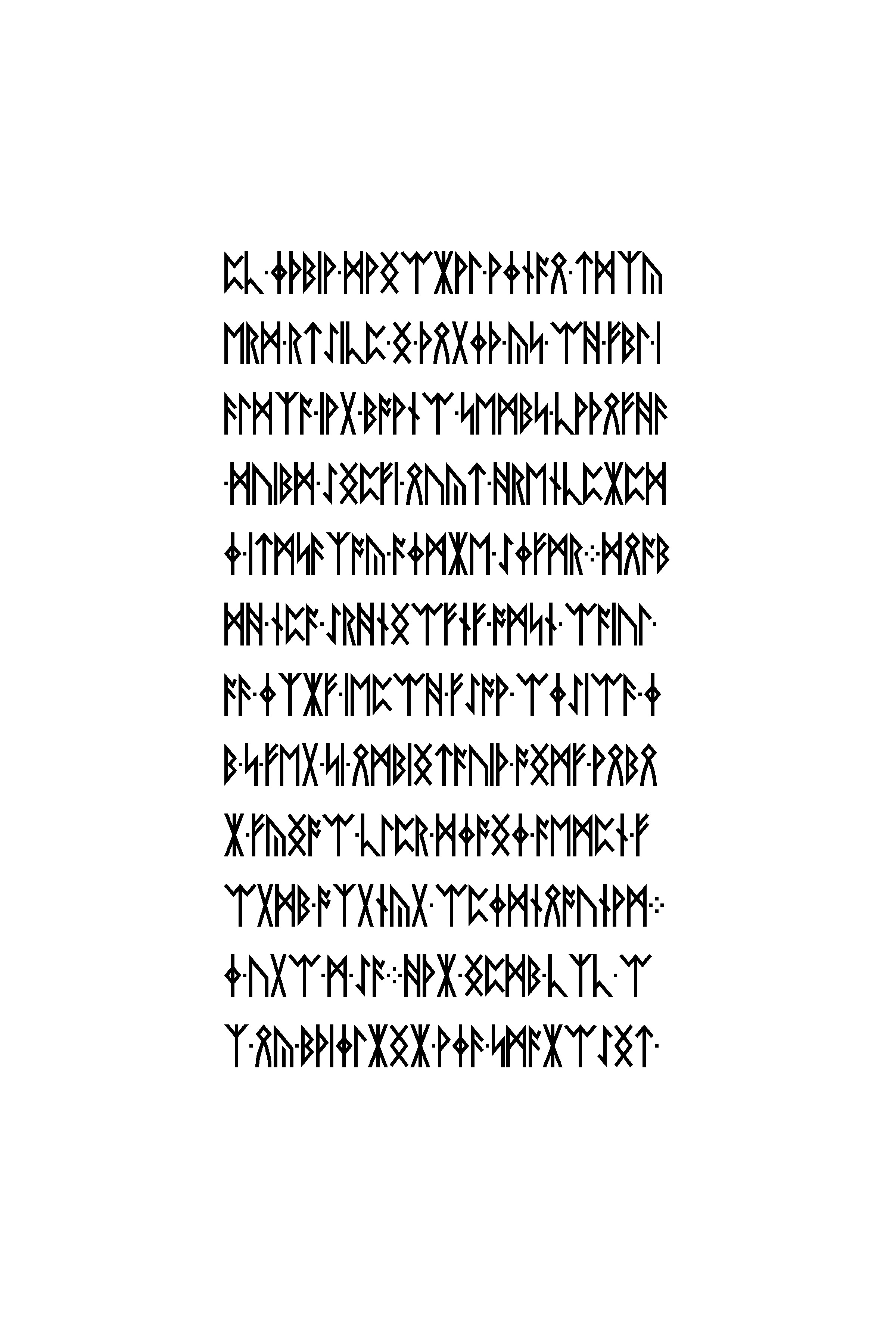
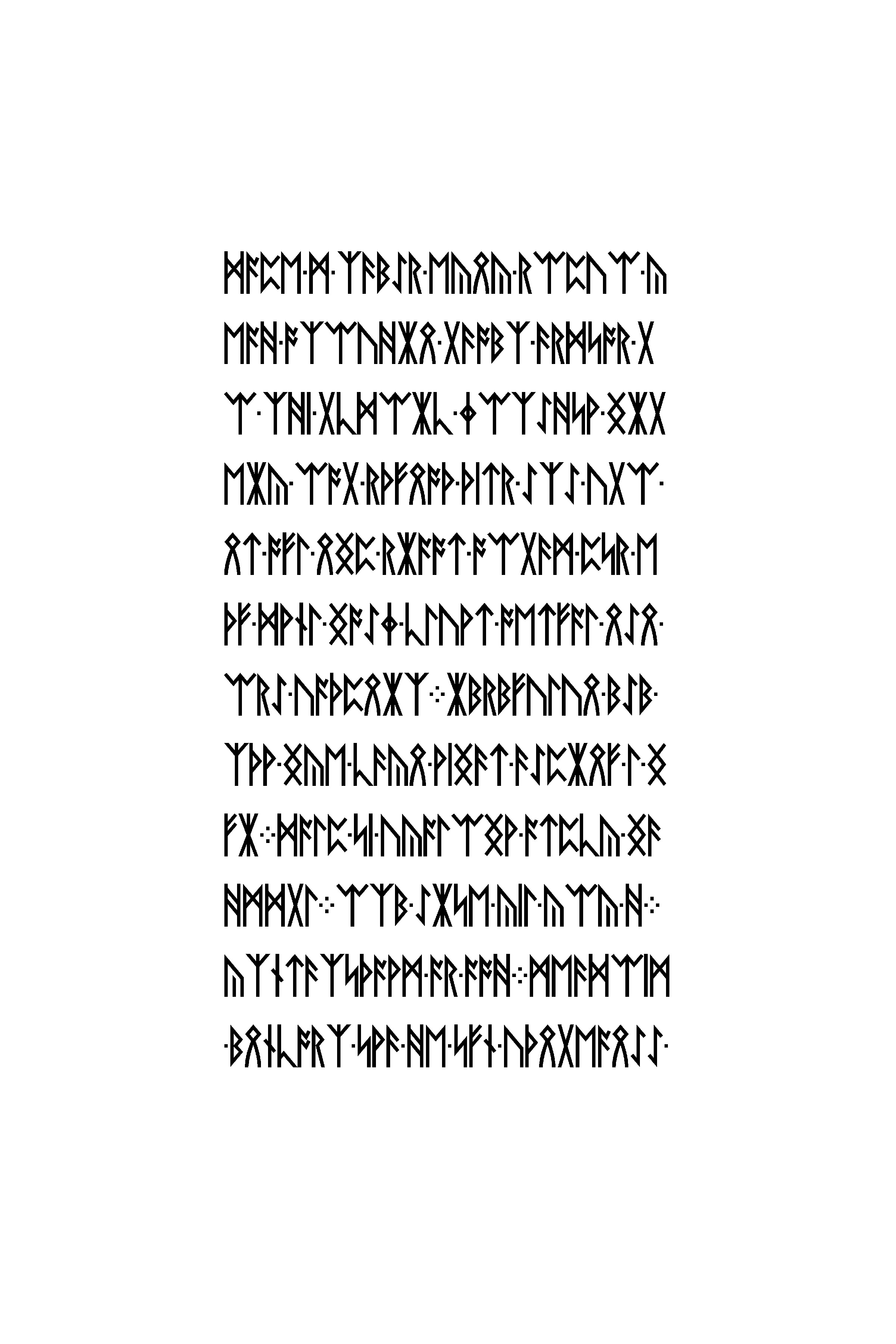
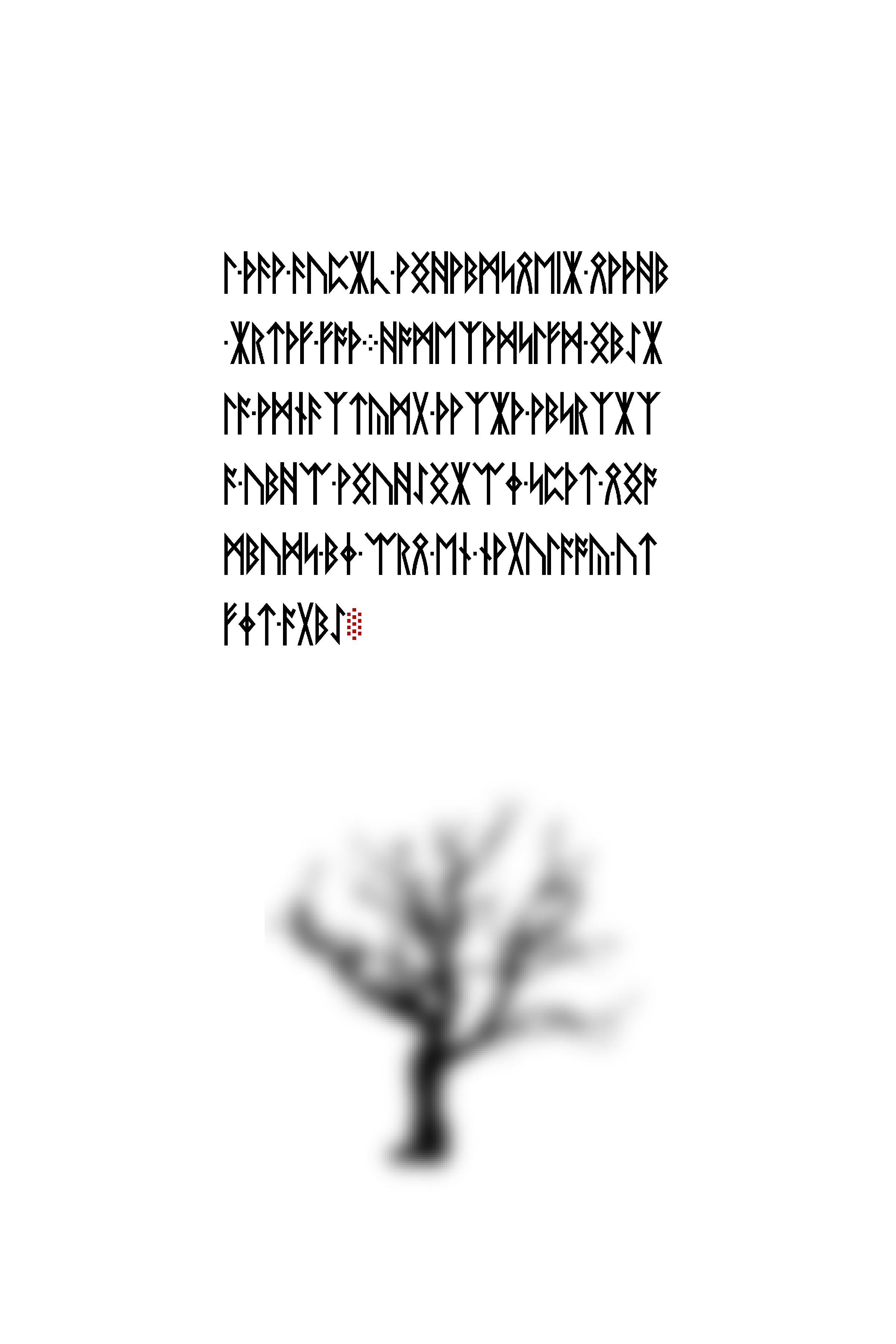
Positive means past the estimated cutoff. The first two would be “too wide” under the fitted rule alone; the last was uncertain even by that rule. Reporting the estimates makes the failure inspectable. They are not three new classifications. The ordinary-wrap explanation remains plausible and these results supply no positions to read as a hidden message.
Batch rules · Feasibility script · Target measurements · Minimum-error check · Diagnostic results · Next: a separate cipher test using word direction
Replay for Sessions 129–131: place the linked scripts and the Session 126/127 drivers beside the notebook’s original scans, transcription, Session 128 results and their pinned inputs. Run python3 -B full_lines_129_131.py result.json.gz. The optional minimum-error and simulation diagnostic uses the published filenames and runs as python3 -B batch_diagnostics_132.py diagnostic.json. Dependencies include NumPy, Pillow, SciPy and highspy (1.16.0 here).